
Table of Contents
I believe parenting comes with high-end stamina features. It is a beautiful journey full of memories but requires huge grace. Beside the normal tantrums, teenage hiccups and transitions. Parents/guardians also experience life-changing moments. Developmental conditions appear, and new discoveries happen. Today, we venture into an autoimmune disorder known as Multiple Sclerosis or MS.
MS/ Multiple Sclerosis in children.
The term Multiple Sclerosis refers to an immune system related disorder that affects the brain, spinal cord and optic or vision. It is a rare autoimmune condition where the body attacks its own healthy tissues. Strategically, our body immune system is designed to protect us from any foreign substances. However, with MS, the system terms all tissues foreign thus attacking a protective cover called Myelin.
Myelin cells cover the brain and spinal cord nerves. Once the sheath is distorted, the central nervous system sends wrong or misleading signals to the brain and the entire body. This comes with multiple effects like muscle weakness, poor vision and lack of body coordination. MS is also referred to as a demyelinating disease or disorder.
Note, Multiple Sclerosis is long-term or has no known cure. However, the medical field has treatments and practices that help manage signs and symptoms. This allows one to conduct normal daily activities. It also reduces the risk of permanent disabilities caused by the deteriorating symptoms.
Parents/guardians experiencing this MS journey may feel overwhelmed, but with the right treatments, your child will live a better life.
Types of Multiple Sclerosis in Children.
Multiple Sclerosis can be experienced by both children and adults. It is not gender-specific or race but open to anyone. The condition is present in two types:
- Relapsing-remitting Multiple Sclerosis
This kind pf MS is common in children. The symptoms are not consistent as they are on and off throughout the child’s or individuals life. The returning symptoms are referred to as exacerbations/flare.
- Primary Progressive MS
The Primary progressive Multiple Sclerosis is rare but it there. The disorder symptoms tend to deteriorate with time meaning it is more profound.
Sign and symptoms of MS
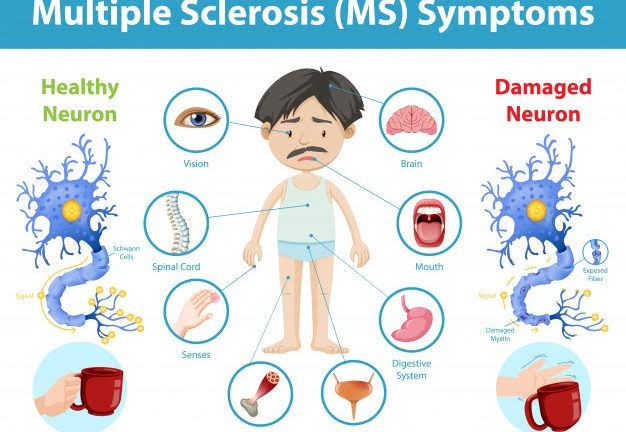
With the constant break of Myelin coating. The nervous system sends misleading electric signals, thus displaying different signs and symptoms. This varies based on the type of MS and extent of Myelin damage or the areas of brain or spinal affected. Here are various symptoms to check out for:
- Weak muscles, cramping and numbness. (Transverse myelitis)
- Tingling in some parts of the body.
- One can either have blurry vision/double vision or loss vision in either or all of the eyes (optic neuritis).
- Tremor on a particular side of the body.
- MS can also affect speech, making it slow/slurred speech.
- Lack or balance and coordination. (The child will or may display walking difficulties without assistance)
- Issue with urination and stooling.
- Fatigue
- Lack of concentration and memory
- Depression and anxiety signs.
- Poor hand coordination.
- Difficult in managing schoolwork.
- Bowel and bladder regulation issues.
- Body weakness, numbness and tingling sensation on one part of the body.
Emotional symptoms
- Changes in sleep patterns.
- An increase or decrease in appetite.
- Level of irritability change.
- May feel sadness and losing interest in different things.
- Low energy
- Poor decision making or planning.
The symptoms may last 24 hours (less or longer) based on different circumstances and person. In some cases it might go away as child grows or even last throughout the individual’s lifetime.
Related complications associated with Multiple Sclerosis.
Children and adults with MS tend to get different complications which limit their daily livelihood.
- Children with MS might show anxiety or depression.
- Poor body movement and coordination making it hard to exercise simple tasks.
- Irregular bladder and bowel movement.
- Trouble with school work.
Note the complications might not show immediately or during the childhood years. However, they may progressively appear as they grow.
Causes of MS in Children
Health practitioners have no particular cause of multiple sclerosis. However, there are some risk factors that are believed to bring about the disorder.
- Genetic causes
From previous studies, MS is not directly inherited. However, the condition can be predicted or can occur in certain families. For example, some families might have a parents with MS and the children gets it as well. Some relative from same family can also display Multiple Sclerosis, creating high chances of children in that particular lineage developing MS.
Though MS is a general disorder and has no specific race or age. Majority of Northern European families are and were susceptible to developing the condition. Most groups were/are related, giving the genetic factor higher chances. However, health practitioners believe a mixture of genes and environmental factors can contribute to getting MS.
- Demyelination
We can start by breaking down the word. Myelin is a sheath or a protective cover for the neurons (nerve cells) in a children or adult’s brain and spinal cord. The sheath allows coordinated messages to flow between the brain and body and vice versa. The body is also built with an immune system that helps protect it from harmful substances like viruses and bacteria. However, the same immune system can fight against healthy cells of the body, especially the myelin. This damages the covering, which in turn breaks the communication.
The damaging process of myelin is what is referred to as Demyelination. This affects the brain, thus causing MS in children and adults.
Top risk factors of Multiple Sclerosis in kids.
A mother can bear a child with the condition if the following occur during the pregnancy journey.
- Using toxic substances or exposure to toxic substances
- Lack of vitamin D in the blood.
- Some Virus like Mononucleosis/Epstein-Barr virus can easily cause MS.
- Obesity.
Note: Not all women with or exposed to these factors will have children with Multiple Sclerosis. However, it’s best to seek medical and professional help during pregnancy to avoid different risks.
Diagnosis and possible treatment or procedures
For nerve related issues, a neurologist will be the best practitioner to attend to the condition. Multiple Sclerosis affects the nerve and the brain thus requiring comprehensive neurological examination. Here the patient will undergo multiple tests like:
- Vision and hearing test
- Sensation
- Strength and swallowing test.
- Body coordination, balance and different reflexes
- A blood test
The child or adult will have some imaging examination to determine or avail the brain, spinal cord and optic nerve details. Because diagnosing multiple sclerosis involves ruling out other conditions with similar symptoms, parents can refer to Mayo Clinic's information on MS diagnosis and treatment for additional medical background.
Available imaging test
- Spinal tap.
A sample of spinal and brain fluid is removed and tested at the lab to show any signs of Multiple Sclerosis. The test can also reveal other infection or disease that can occur alongside the disorder.
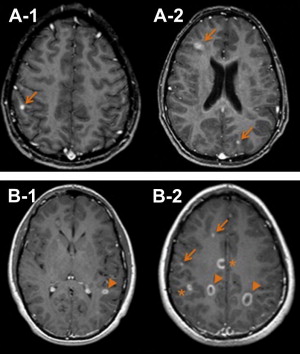
2. Magnetic resonance imaging
MRI is a medical equipment that uses magnetic and radio waves that help in identifying inflamed areas in the body. The images allow doctors to address the particular areas detected on the image.
3. Blood test
A blood test comes in handy as it provides evidence of infections or diseases that have similar symptoms as MS or confirm the presence of MS.
With all medical examinations done, it’s easy to determine the type of MS and the medications to take.
Treatment Methods

There are three treatment methods that are effective or known to help with MS.
- Active Inflammation treatment (steroid treatment)
Doctors use steroids for active inflammation thus reducing severe flare-up. The steroid treatment can be long-term or short, where some take a few days and others weeks. Individuals receiving the medication can experience a series of side effects such as difficulty in sleeping or odd sleeping patterns, irritability, upset stomach, acidity, and high blood sugars.
- Intravenous immunoglobulin
IVIG is an effective IV based medication that helps the child or adult to avail antibodies from healthy blood donors. The medication helps reduce or remove the unwanted immune system response that happens when someone has MS. IVIG has some side effects too such as joint and muscle pains, headaches and slight fever.
- Plasma Exchange
The process involves plasma a liquid in the blood. Antibodies (some) which are the body defense system are removed from the blood stream to reduce self-attacks (on myelin). The plasma exchange process (plasmapheresis/PLEX) is complex and is used by neurologists as an advanced system. Simply, it’s the process of removing blood from the body cleaning/washing the antibodies from the plasma. Once washed, the blood is returned to the body. To administer the IV, doctors place an IV line through surgery. It’s expected the child or individual will have some issues like infections, blood pressure and fluid imbalances.
- Preventing further relapses
Patients receive immunotherapies (immunosuppressant’s) to reduce and prevent future relapses. The medication is administered through injectable, infusion and oral methods.
- Treating MS symptoms
MS symptoms vary based on the type of condition and individual. Doctors will use different treatment to curb the symptoms to avoid relapses. The medication can be long-term or according to an active inflammation. Each symptom will be attended by different specialists for example: speech therapist, neurologist, occupational therapist, psychologist, psychiatrist and physical fitness specialist.
Long-term care for Children with Multiple Sclerosis.
With advance technology and more medical knowledge, children and adults with MS can avail long-term care. This guarantees a long life, proper medication and a fulfilled lifestyle. However, early intervention is key to achieving the required results, especially for young kids.
Modern treatment helps reduce relapse, and balance the immune system. Parents and doctors need to collaborate to ensure symptoms are regulated and no new developments come up. Ignoring the symptoms will cause permanent damage to the nerves system leading to brain damage, vision impairment, bladder/bowel issues and muscle disorders.
Conclusion
MS may sound threatening but with the right care, children grow up to fulfill their lives. Parents/guardians, doctors and the community have the obligation to ensure proper care is administered. It’s wise to take precautions by having you child tested for MS if you suspect odd symptoms. Early treatment comes in handy allowing the child to have a normal life. Because multiple sclerosis can present differently in children and teens, parents can learn more about pediatric MS from the Cleveland Clinic's guide to multiple sclerosis in children.

Gladys Njeri Ndungu is a dedicated educator and the founder of Healthy Chic Gazette, a global resource for parenting and kid wellness. With over 10 years of experience since 2012, Gladys is a qualified ECDE teacher with specialized certifications in Special Needs, Child Ministry, and Psychology.
She founded this platform to provide a safe, empathetic space for families navigating everything from Special needs care, gentle sleep techniques and feeding to teenager transitions and home safety. By combining her deep background in child development with modern IT and AI expertise, Gladys helps parents bridge the gap between traditional wisdom and future-ready strategies. Her mission is simple: to empower every parent to raise healthy, well-rounded children with confidence and heart.