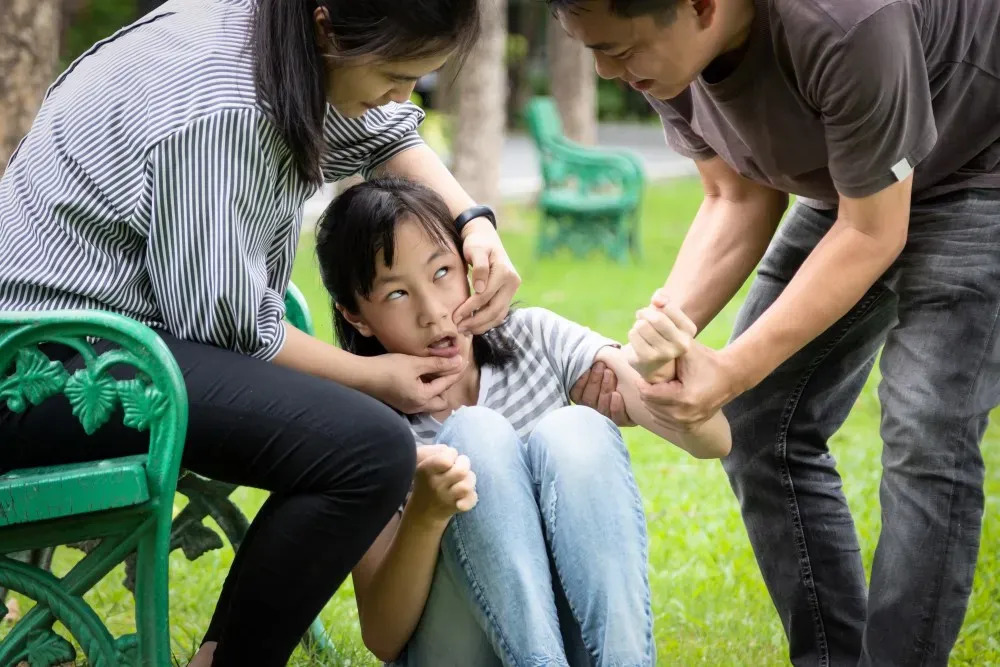
Table of Contents
I can attest to the fact that many of us can’t tell apart on epilepsy and seizures. Actually we relate it to the fainting and jerking. Truth is I also did I believed anyone with seizures has epilepsy or anyone who faints had the condition. It’s weird right but am sure most of you have same assumption. So let’s correct that and understand each aspect.
Broad definition of Epilepsy
Epilepsy is common chronic neurological condition caused by unprovoked seizures. The activity is triggered by unusual electrical signals in the brain. Simply it’s a brain disorder that causes one to have multiple or recurring seizures over a period of time. The condition is noncommunicable and causes a person to have involuntary movements in part or entire body. The seizures also cause loss of consciousness or create a confusing state for the individuals.
The seizures can occur due to various issues such as infection or brain injury. However, if there is an attached cause to the recurring episodes this is known as symptomatic epilepsy. Repeated seizures that happen without a particular/ known cause are called idiopathic epilepsy.
Note, epilepsy is neurological or nervous system condition that is vulnerable to both children and adults. There is no specific race, age or gender, anyone can be prone to the disorder if their brain nerve cells get the electrical triggering.
Epilepsy in kids
Epilepsy in kids is considered as pediatric epilepsy. It’s a childhood disorder that affect the brain of a child. The condition can happen due to health issues like infection, brain tumors, strokes and brain injury. Epilepsy can also happen due to genetic problems thus uttering brain structure and functionality. There is no clear or specified reason why pediatric epilepsy happens.
Seizures: What is seizure?

Seizures also have a relation with electrical activity in the individual’s brain. A hyped surge on the brain causes different symptoms on the body depending on which part of the brain was affected. Seizures happen as a result of excessive electrical surge on part of nerve cells (brain cells). Based on the section of the brain the seizures can be brief or prolonged.
The episodes are followed by muscle jerks, convulsions and some confusion. Seizures are determined by frequency with some occurring once per year, after few months or after few days. Note, having seizures doesn’t mean a person is epileptic. Scientific research shows (estimation) 10% of people globally have or might have one seizure in their lifetime. We use epilepsy and seizure interchangeably however, there is slight distinctions. A provoked seizure example of those caused severe hypoglycemia can not be counted as epilepsy.
Types of seizures
There are two known types of seizures:
- Focal seizures/partial/generalized
The focal seizures are cases by abnormal electrical activity on one particular part of the brain. They are characterized by the section of the brain which they ate generated and the effect they cause on one’s consciousness, memory and responsiveness.
Symptoms of focal seizures
Seizures presents different symptoms such as:
- Altered behaviors
- Confusion and thoughts
- Spasms
- Loss of consciousness
Focal seizures are due to underlying abnormality in the brain. The issue isn’t visible in tests (MRI) but health practitioners believe that there is a problem with neurons on a section or parts of the brain.
Causes of focal seizures
- Stroke
- Brain injury
- Tumors
- Health problems
- Infections.
- Tuberous sclerosis
This type of seizure can go undiagnosed unless it occurs several times.
2. Temporal lobe seizures
The Temporal lobe seizures fall in the category of focal seizures. The lobe is found on temples which can be both or either part of the head. Temporal lobes help in:
- Emotions
- Memory
- Sound interpretation
- Understanding language.
Temporal lobe seizures have different intensity from mild to severe.
Symptoms
- Jerking or repetitive movements
- Feeling anxiety
- Loss consciousness
- Rubbing hands
- Lip smacking
3. Other types of seizures
Here is a list of types of seizure that affect different parts of the brain.
- Frontal lobe seizures
- Occipital Lobe seizures
- Parietal lobe seizures
4. Generalized seizures
- Absence seizures
- Myoclonic seizures
- Generalized Tonic-Clonic seizures
With the understanding of epilepsy and seizures and their coexistence. It’s easy to differentiate and treat the correct issue.
Types of Epilepsy in kids
Epilepsy is categorized in different types based on diagnosis.
- Absence epilepsy
The absence epilepsy is episodic as it create shorten moments. Here the child show signs of confusion and staring. The child doesn’t respond if talked to. It’s short moment of confusion and absence.
- Rolandic epilepsy
This type of epilepsy is quite common in children. It’s seizures that occur when one is sleeping or during waking up. The seizures cause spasm on one part of the body. Rolandic epilepsy can highly affect a child’s speech.
- The Juvenile Myoclonic epilepsy
Juvenile Myoclonic epilepsy is more visible at the puberty stage. It’s the opposite of Rolandic as it happens during wake up time. A child jerks, twitches and moves their muscles uncontrollably.
- Infantile Spams/West Syndrome
Children experiencing Infantile spams display severe symptoms of epilepsy. The condition happens during sleep or at wake up time. The child jerks, twitches, bend and stretch without control. Though severe the episodes are short (few seconds). However, the seizures can recur multiple times within short periods.
- Lennox-Gastaut Syndrome
The LGS epilepsy causes seizures that simultaneously stiffens and relaxes the body muscles. The child goes in and out of consciousness but can talk or respond to anything during the episodes.
Visible sign & symptoms and major causes of Epilepsy
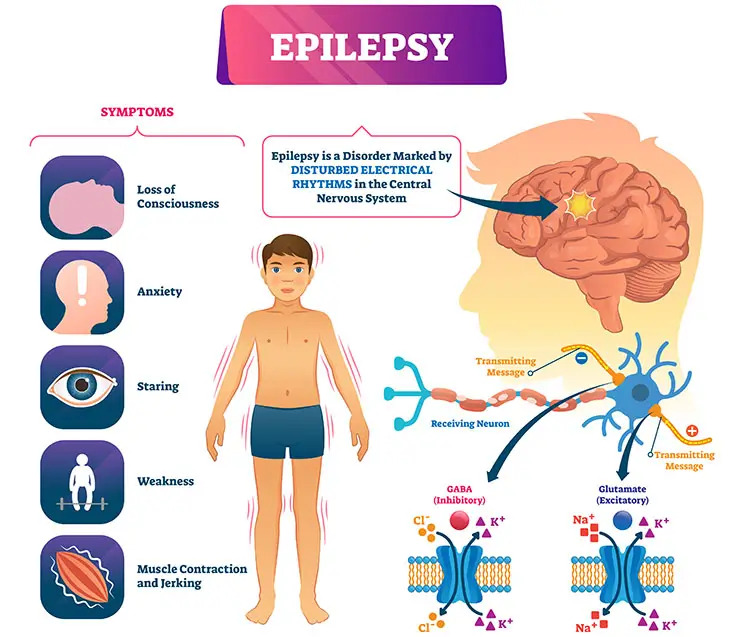
Globally millions of children are born and experience either of the mentioned types of epilepsy once or multiple times. Unlike seizures epilepsy comes with mild to severe symptoms which can lead to other dangers. Example if the attacks happens unsupervised some children get hurt either fall in fires, pools, hit their head on something and more. Parents and guardians can check out for the following symptoms for easy understanding of the condition.
Note, seizures are the first symptom. However, the seizure will display the following signs.
- Confusion
- Unconscious state (unawareness)
- Blank stare or staring to the space.
- A change in the hearing, vision, smell and taste senses. (the child may express what they are feeling)
- Upset stomach or feeling unwell, high body temperature.
An episode can happen without displaying any of the following symptoms. Epilepsy can be unpredictable but when one gets any of the signs they can prepare the child by make them feel safe and okay by being there during the episode.
What is displayed during epilepsy attack in children?
With all the signs once the seizures and condition kick in the child will/might do the following:
- Uncontrollable jerking, muscle movement, and twitching.
- They can repeat a particular movement.
- Lip smacking and chewing motion.
- Inability to respond/talk
- High and fast breathing
- High heart rate.
Seizures and epilepsy comes differently for each child or individual. What works for one person or type of epilepsy might not work for the next. It’s advisable to seek professional help to understand your child better. Parent, guardians and care givers should be observant to any changes and repeated behaviors. They need to understand seizures not to label it as epilepsy and vice versa.
After the epileptic and seizure attack
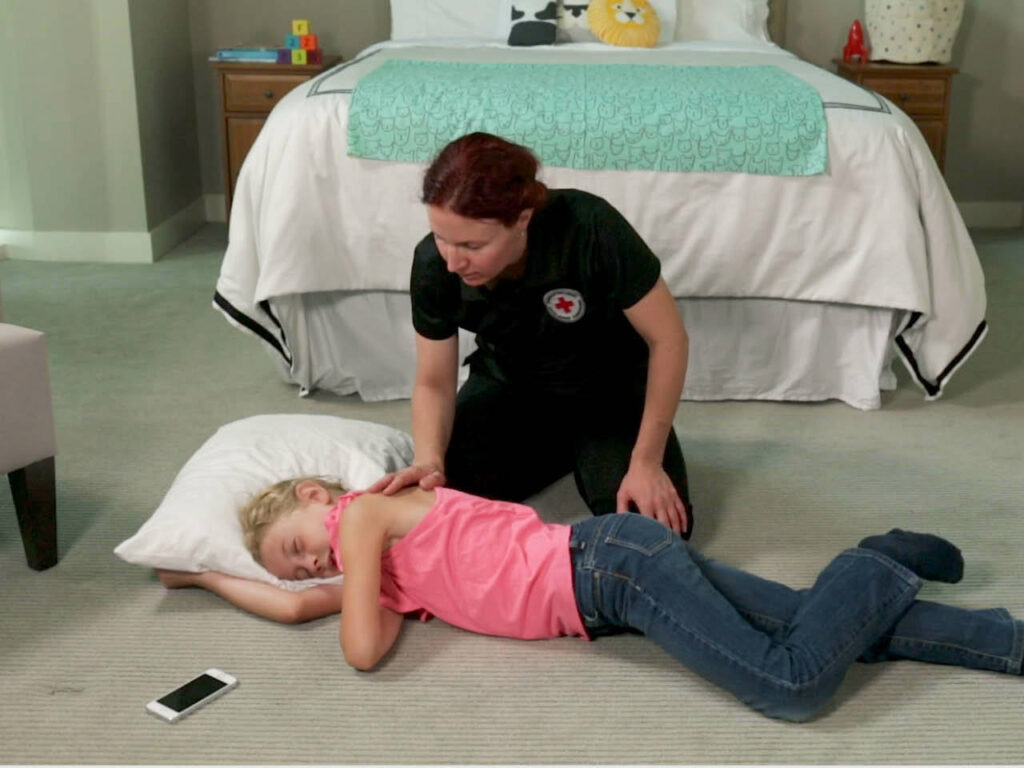
Once the child or adult recovers from a seizure they may have:
- Short memory loss.
- Headaches
- Confusion.
When does epilepsy show in children?
The condition has no particular time, it can happen in infancy stage, toddler or teenage years. One needs to look out for if one happens and consult with the health practitioner to determine whether its epilepsy or a normal seizure.
Cause of epilepsy in kids
This being a neurological condition that occurs due to unusual electronic activities in the brain cells. That being the main cause there are other possible causes that can occur during infancy or within child’s growth.
- Brain injury or severe head trauma.
- Birth injury
- Infections like meningitis or encephalitis.
- A brain abnormality before birth.
- Genetic changes.
Note, there is no specific cause of neurological condition . It can happen randomly and it’s not specific to any gender, race or age.
Risk factors that can contribute to having epilepsy
A child have or may be prone or at risk of having the condition if they have/had:
- There is a family history of (genetic) epilepsy.
- Has experienced brain trauma or infection.
- Has other neurological conditions.
Complications related to epilepsy in kids
The condition comes with different complications which may affect the child physically, mentally and socially. This might affect parents as its draining especially when one has no proper information or help.
- Regular physical injuries.
- Constant fear of episodes
- Low self-esteem
- Poor concentration
- Accidents
- Sleep disturbances
- Anxiety
- Depression
Since the moments are uncontrollable, most kids get physical injuries through falling. Suppose the seizure signs show always place the child in a safe place. Allow the child to sit of lie down on a good surface. Have something soft for their head and give them space to allow the jerking. Never try to stop the movements, allow it to flow but check that they don’t bite their tongue.
Parents/guardians should make regular doctor visit to learn about the condition and check for any other issues. Some children with cerebral palsy may also develop epilepsy, making comprehensive neurological care essential.
What are the dangers of epilepsy?
People living with the disorder don’t have a particular lifespan. They can live to old age and have a normal life. However, some types of epilepsy can display severe symptoms that can cause different dangers. Assuming having an episode when using a fire or cooking and an accident happens.
Others may have brain injuries that can end their live or physical injuries that will tamper with daily livelihood. Concurrent seizures (back-to-back) can interfere with a child’s or adult’s life making it difficult to function normally.
Medical Diagnosis and Tests
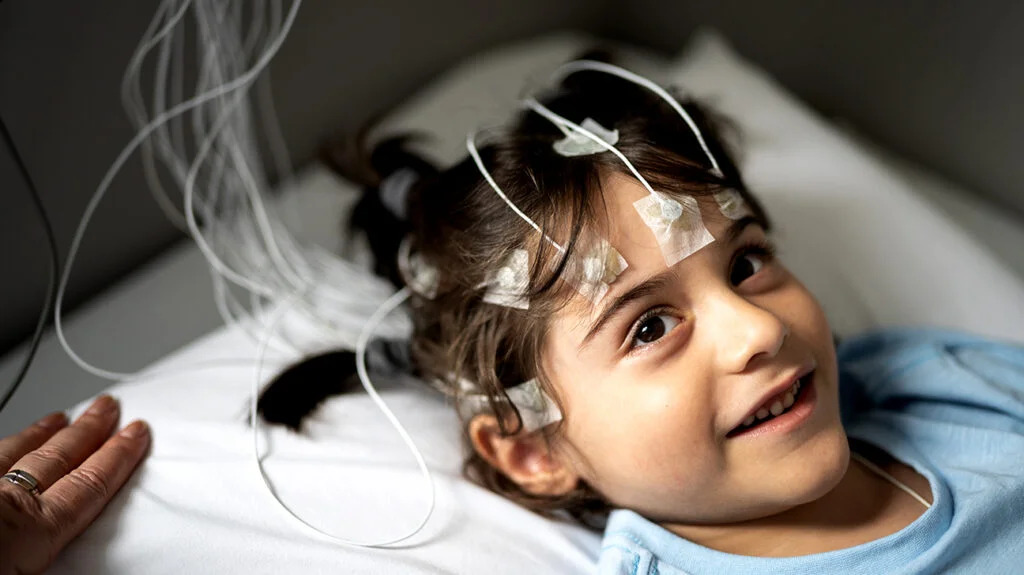
Though the condition is evident, doctors will conduct various tests and examination to determine the type of epileptic symptoms one has.
The test include:
- A physical test: Checking the vital, evident signs/symptoms, family and medical history.
- Neurological examination: the health practitioners will check the child’s brain and the nervous system.
- Blood test: blood sample will be tested to check for any underlying issues.
- Imaging tests: an MRI can be taken to check on the brain’s activities.
- Electroencephalogram: This helps in checking the brains electrical activities.
Treatment and management of Epilepsy in kids
Both kids and adults can undergo various treatments and management process to help ease the condition.
- Medication
Doctors can provide antiseizure medicines to help ease symptoms and the frequency of the seizures. However, the medication doesn’t treat the cause. They are meant to prevent irregular electrical activities in the brain. This works if the medication is still in the bloodstream meaning one has to follow the prescriptions as directed.
- Surgery
A brain surgery may help reduce the episodes. Health care team may check on areas that cause the condition and perform a specialized surgery.
- Implants (medical implants)
Technology allows specialist to create medical devices that help in managing epilepsy symptoms. There are devices such as “Vagus nerve stimulator and deep brain stimulator” designed to stimulate and send electrical currents to the affected part of the brain. This regulates brain functionality and allows manage the activities.
- Ketogenic diet
The Ketogenic diet is administered by professional medical teams to help manage the condition. The diet involves high-fat and low-carbohydrates meals that works for each patient.
With the treatments parents need to check what works for their child. Through team work parents/guardians can try different medications and management skills to avail the best for the child.
What parents, guardians and care givers should know about epilepsy?
Regardless of the type or that your child or family doesn’t have the neurological condition. It’s wise to have vast knowledge on the condition. People handling a child or person going through it should be warm and loving to help create a great environment for the child.
Always mind your words and reaction towards a child or adults living with the disorder. This builds or destroys their self-esteem. And for sure you being harsh will add to their burden as the world is always harsh (sometimes due to lack of knowledge).
- Be friendly, assuring and be there.
- Learn about the condition and medication, the schedules and first aid skills.
- Understand the signs and symptoms
- Always prepare for any attacks.
- Create a routine for medication and if the child forgets have a plan.
- Know side effects and reactions that happen after medication. This helps when reporting back to the doctors.
- Visit the school and let the care givers and teachers understand the condition in the best way possible. It will allow the school to create a friendly environment.
- The school should have first aid or team in place for different conditions.
parents/guardians should understand that certain neurological disorders, including dystonia, can sometimes share movement-related symptoms, although they are different conditions.
Common medical side effects
- Skin rashes
- Drowsiness
- Feeling unwell or stomach upset
- Poor liver function and bone marrow.
- Poor appetite.
Conclusion
It feels like too much right, but it manageable its easy and it’s all about loving and caring. The child will grow to be the best I assure you. With the right care, understanding of the condition you will turn out just fine.
Parents seeking information about childhood disorders and developmental conditions may also find our child health and medical conditions guide helpful. The guide provides an overview of common medical, neurological, and developmental conditions affecting children and links to additional resources for families.

Gladys Njeri Ndungu is a dedicated educator and the founder of Healthy Chic Gazette, a global resource for parenting and kid wellness. With over 10 years of experience since 2012, Gladys is a qualified ECDE teacher with specialized certifications in Special Needs, Child Ministry, and Psychology.
She founded this platform to provide a safe, empathetic space for families navigating everything from Special needs care, gentle sleep techniques and feeding to teenager transitions and home safety. By combining her deep background in child development with modern IT and AI expertise, Gladys helps parents bridge the gap between traditional wisdom and future-ready strategies. Her mission is simple: to empower every parent to raise healthy, well-rounded children with confidence and heart.