Table of Contents
Parenting stands out as the only field that holds multiple feelings, characters, and expectations in one go. One minute, you are a counselor, doctor, teacher, and all that. Each character played comes with feelings and expectations. For me, the most expressed feeling of parenting is joy, but sometimes it is overshadowed by worry. This happens when new developments arise, and we don’t know much about them. Today, we focus on Dystonia in kids.
Yeah, the smiles fade away, and worry and uncertainty creep in. As a parent and educator, I understand that when our kids develop something besides the normal child development, we tend to panic. However, there is always a silver lining of hope. Parenting a child with Dystonia can prove challenging as it requires effort, patience, understanding, and commitment. However, you are enough, you are doing fine, and you will continue doing great
What is Dystonia in Kids?
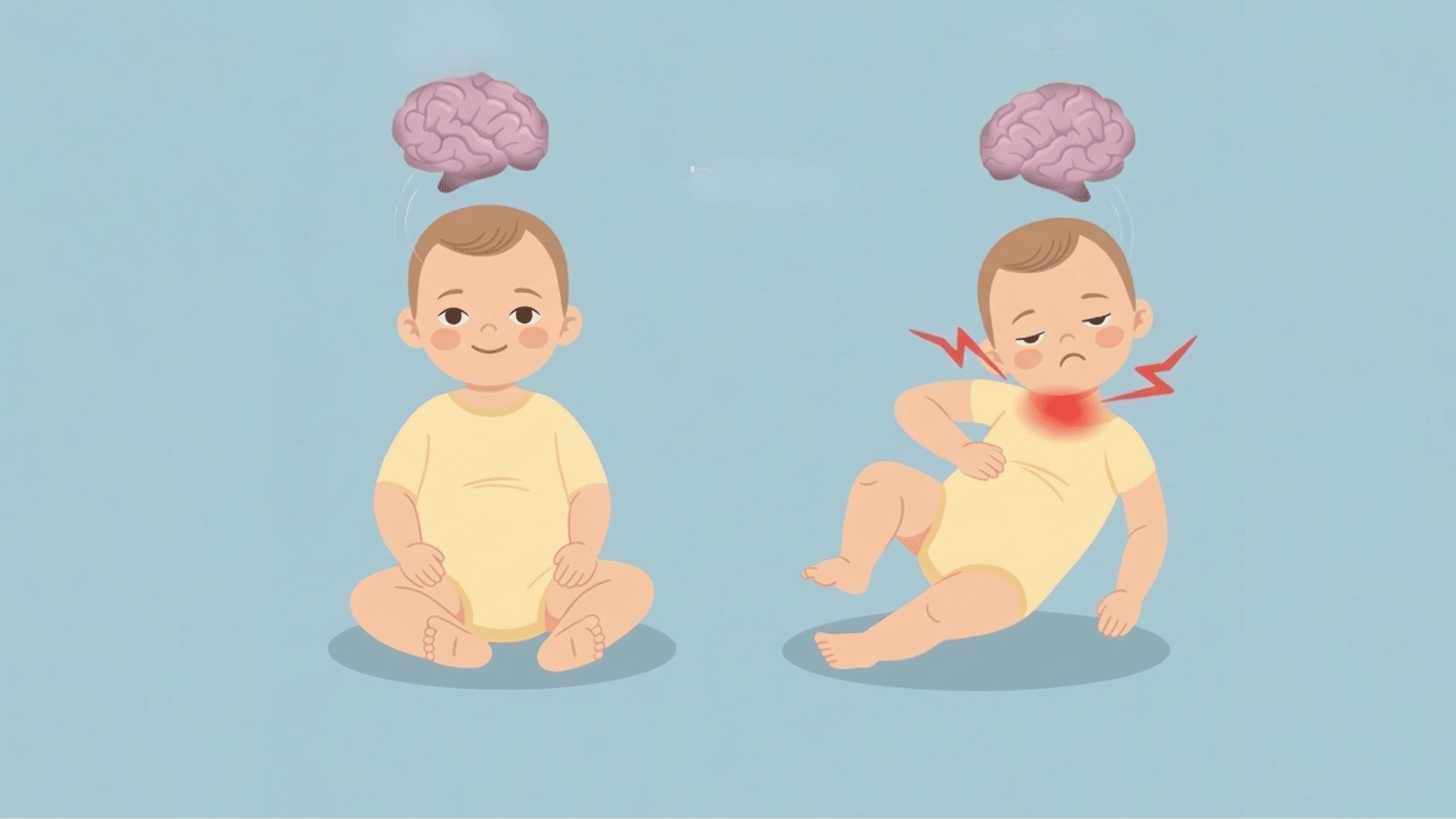
Dystonia is a neurological condition that affects the muscles, causing involuntary movement. The disorder causes muscle contractions (sustained and intermittent) that are difficult to control. Dystonia in kids displays as spasms or convulsions in muscles, causing the child to twist or have an abnormal posture. Children and adults with Dystonia appear shaky, have tremors, or are stuck in a particular position.
The involuntary movement can sometimes be painful as the twists happen in some fragile areas of the body. Dystonia can be experienced in some or all parts of the body based on the type of Dystonia.
We can say Dystonia is a brain signal-triggered condition that causes muscles to stiffen or have involuntary movement. The twists can be painful or not, though it’s not comfortable for the child or adult affected by the disorder. The condition can be mild, moderate, or severe based on the type and attack. This alters normal activities such as walking, eating, writing, resting, and other voluntary activities. Note, some kids and adults may experience more severe symptoms, which cause a condition known as Status Dystonicus. (Readers can learn more about dystonia and movement disorders from NINDS.)
Types of Dystonia in Kids and Adults
- Hemidystonia
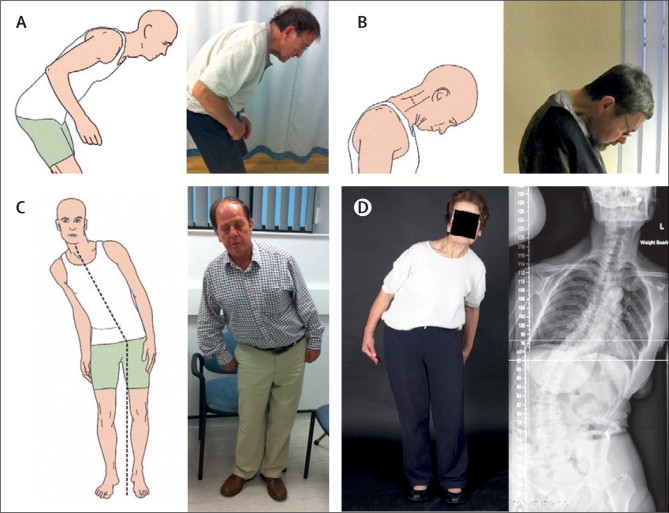
Hemidystonia particularly affects one part of the body. It can be the left or right part touching the leg and arm, plus the parts included.
- Multifocal Dystonia
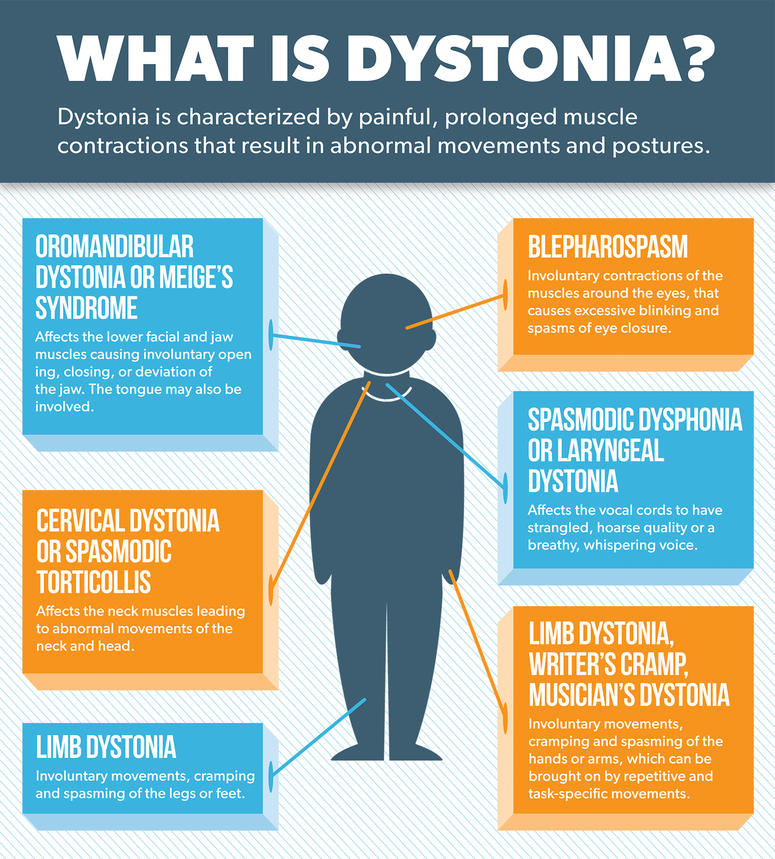
This type of disorder affects two or more sections (different) of the body that are not connected. The child or adult suffering from multifocal Dystonia can have issues with the eyes and legs, or the eyes and jaw, or the neck and legs.
- Focal Dystonia
The condition affects just one part of the body.
- Segmental Dystonia
The segmental Dystonia affects connected parts of the body. It’s the opposite of multifocal dystonia. The condition affects two or more parts that are related, for example, the neck and shoulder, or the arm and shoulder.
- Axial Dystonia
It’s a type of Dystonia that affects the torso muscles.
- Generalized Dystonia
The generalized dystonia affects all or almost all parts of the body.
Parents/guardians need to look out for the type of Dystonia their child is suffering from to avoid wrong care. Besides the types, the condition is also classified into various frequencies. This depicts the timing of the contractions.
- A Task-specific Dystonia
Task-specific dystonia occurs when a child or individual conducts a particular task. This triggers muscle contractions in the specific area affected by the condition. Example writing or dancing can activate the disorder.
- Paroxysmal Dystonia and Dyskinesia
This is a contraction and abnormal twist that occurs during a Dystonia attack.
General Types of Dystonia in Kids
With the multiple types registered above. Dystonia in children falls under these two types/categories.
- Primary Dystonia
In primary Dystonia, the condition is considered genetic/inherited and has no specific cause for brain injury.
- Secondary Dystonia
This is most popular as it’s acquired due to a particular happening or condition, such as a brain injury from something known. Children with Cerebral Palsy are also at high risk of getting Dystonia (but not all), stroke, and more.
Main causes of Dystonia in Kids
With research is believed that Dystonia causes are related to the brain and nervous system. Experts relate this to a part of the brain, namely Basal Ganglia. The section processes information that helps the body to coordinate different muscles. With a list, we can classify the causes as follows:
- The condition can be genetic or inherited. Based on research, Dystonia can be inherited from one’s bloodline.
- Some medications can cause the disorder. This is referred to as Tardive Dystonia.
- Brain injury and stroke.
- Some disorders and diseases can also bring about Dystonia. Examples of people suffering from brain tumors, metabolic conditions, neurodegenerative conditions, and some demyelinating diseases.
Besides the genetic causes, other types of Dystonia (idiopathic) have no particular cause.
Different Signs and Symptoms of Dystonia in kids
The condition affects different parts of the body depending on the type. However, there are visible signs that will allow parents/guardians and the medical experts to take some treatment steps.
- Foot cramps
- Dragging one foot.
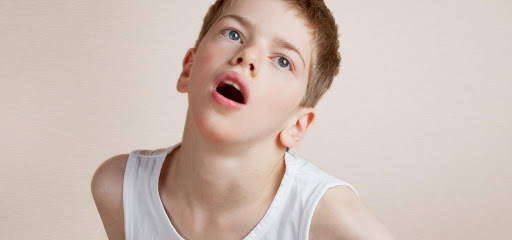
- Sudden or involuntary twisting, especially on the neck.
- Uncontrolled blinking
- Arm and leg twisting, tension-like movement, shaky.
- Difficult in swallowing, speaking, and having slurred speech,
- Constant drooling
The symptoms are more profound when the child is fatigued or anxious. With kids, the symptoms show gradually. Parents/guardians and teachers can check out for simple activities such as writing, speaking, drooling, and walking. The child might get cramps after some activities or drag their feet due to contractions.
Diagnosis and testing strategies
Dystonia diagnosis starts with the physical appearance or observation of the abnormal movements and muscle contractions. The specialist undertaking the case will review different aspects such as family history, medical details, behavior, and recording of previous occurrences. For severe cases, the patient maybe admitted to closer observation and care. Dystonia can occur on its own or alongside neurological conditions such as cerebral palsy.
Diagnosis tools
Experts will use specialized tools to help determine the particular type of Dystonia. There are various tests that can help, including:
- Blood test
- Urine test
- Brain imaging (MRI)
- Electromyography or EMG and Electroencephalography (EEG) to help check electrical activities in the body (muscles and brain).
- A genetic test.
Dystonia Treatment Methods
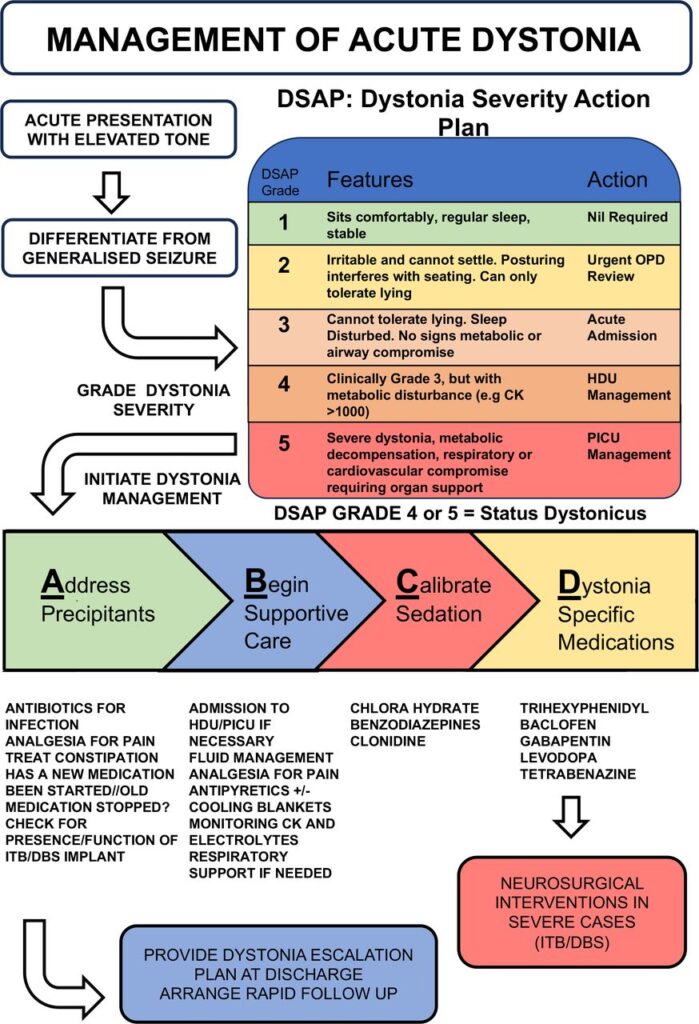
Once the doctors get a correct diagnosis, they can tailor the treatment to fit the type of condition. This provides relief to the child or adults as it reduces pain and symptoms. Dystonia caused by medications is treated by stopping the medication, reducing or changing the dose. The treatments may be from other neuro-related conditions, meaning doctors need to review the cases thoroughly before making any changes. Some children may have other neurological conditions like epilepsy thus requiring more specialized care.
Some patients may require therapy or surgery. Physical therapy helps relax the muscles and adjust the child’s posture. The therapist will also help with speech, as most children affected by Dystonia have voice tremors or a whispering voice.
For medical options, there are drugs such as Botulinum Toxin and Baclofen that are used for muscles and nerves. However, it’s advisable to consult your doctor or specialist before administering any drugs. In severe conditions, experts can opt for surgery, for example, brain surgery for brain stimulation. The DBS treatment allows doctors to implant an electrical device in the brain. There are other options, such as denervation surgery that interrupts nerve signals that cause abnormal muscle contractions.
Psychosocial support or therapy
Kids and adults undergoing Dystonia can face multiple challenges, which can lead to depression or mental disturbance. Most individuals have anxiety, which triggers some episodes. With the right therapy and treatment, one can cope and live peacefully with the condition. Parents and guardians also need help and therapy, as it’s overwhelming. One should seek support groups and have positive people around to help with every step.
My take
As a parent educator and friend, I know and understand it’s not easy. But I believe we are all unique and incredibly strong. Parents/ guardians and people living with children who have a certain condition. You are special and strong, and you are doing great and will continue doing great. (Yes, but your child doesn’t go through these painful episodes).
I know, I understand, see each condition is special. Ours is dyslexia, but we still cry when people misunderstand us, and it’s painful, but we move on, we laugh, we cope, we try, we fall, we rise, and it’s always a repeat. But one thing remains: we stay strong, never backing down.
Avoid negativity; you are your child’s ambassador. Speak, educate people, and look for your community. Don’t forget to live life. Cry when necessary, but smile every time.
Parents seeking information about childhood disorders and developmental conditions may also find our child health and medical conditions guide helpful. The guide provides an overview of common medical, neurological, and developmental conditions affecting children and links to additional resources for families.
Gladys Njeri Ndungu is a dedicated educator and the founder of Healthy Chic Gazette, a global resource for parenting and kid wellness. With over 10 years of experience since 2012, Gladys is a qualified ECDE teacher with specialized certifications in Special Needs, Child Ministry, and Psychology.
She founded this platform to provide a safe, empathetic space for families navigating everything from Special needs care, gentle sleep techniques and feeding to teenager transitions and home safety. By combining her deep background in child development with modern IT and AI expertise, Gladys helps parents bridge the gap between traditional wisdom and future-ready strategies. Her mission is simple: to empower every parent to raise healthy, well-rounded children with confidence and heart.
Great content! Keep up the good work!