

Table of Contents
Raising a healthy child involves more than meeting daily needs like nutrition, sleep, and safety. It also means understanding the wide range of medical conditions that can affect children’s physical, emotional, and cognitive development. From developmental disorders to neurological conditions and common childhood illnesses, parents today are seeking reliable, clear, and supportive information.
This comprehensive guide is designed to help parents, caregivers, and educators better understand child health conditions, recognize early signs, and respond with confidence. Whether you are concerned about developmental delays, behavioral changes, or physical symptoms, having the right knowledge can make a significant difference in a child’s life.
While this guide provides educational insights, it is important to remember that every child is unique. It’s advisable to always involve a qualified healthcare professional to avail the correct diagnosis and treatment.
What Are Common Child Health Conditions?
Child health conditions refer to a wide range of medical, developmental, and neurological issues that can affect a child’s growth and well-being. These conditions may include developmental disorders, chronic illnesses, genetic conditions, and infections that require medical attention.
Understanding child health conditions early helps parents recognize symptoms, seek timely care, and provide the right support for their child’s development.
How Can Parents Recognize Health Problems in Children?
Parents can identify potential health concerns by observing changes in behavior, development, and physical health. Signs such as delayed milestones, unusual behavior, frequent illness, or difficulty in learning may indicate underlying issues.
Early recognition allows for proper diagnosis and intervention, improving outcomes and supporting a child’s overall well-being.
Understanding Child Health and Development
Child development is a complex process involving physical growth, brain development, emotional regulation, and social interaction. Each stage of childhood—from infancy to adolescence—comes with specific milestones that help track a child’s progress.
Children grow and develop at different rates. Some variations are normal, but certain delays or unusual patterns may signal underlying health or developmental concerns.
Early detection is critical because:
- It allows timely intervention
- It improves long-term developmental outcomes
- It reduces complications
- It supports both the child and family emotionally
Parents play a vital role in observing their child’s behavior, communication, and physical abilities. Being attentive does not mean being anxious—it means being informed and proactive.
Child health is influenced by a combination of genetics, environment, nutrition, and early life experiences. Factors such as prenatal care, access to healthcare, and a child’s surroundings all contribute to how they grow and develop. In some cases, underlying conditions may not be immediately visible but gradually become noticeable as developmental expectations increase. This is why continuous observation and regular health check-ups are essential in identifying potential concerns early.
It is also important for parents to understand that development is interconnected. A delay in one area, such as speech, may affect social interaction or learning abilities. Recognizing these connections helps parents seek the right kind of support rather than focusing on a single symptom in isolation.
Factors That Influence Child Health
A child’s health is shaped by a combination of biological, environmental, and social factors. Understanding these influences helps parents take a proactive role in supporting their child’s development.
Some of the key factors include:
- Genetics: Certain conditions such as Down Syndrome or Muscular Dystrophy are inherited or linked to genetic changes.
- Prenatal Health: A mother’s health during pregnancy, including nutrition and exposure to infections, can affect a child’s development.
- Environment: Safe housing, clean air, and access to healthcare all contribute to overall well-being.
- Nutrition: Proper nutrition supports brain development and physical growth, while poor nutrition may contribute to conditions like Malnutrition.
When these factors are well managed, children have a stronger foundation for healthy development.
Neurodevelopmental Conditions in Children

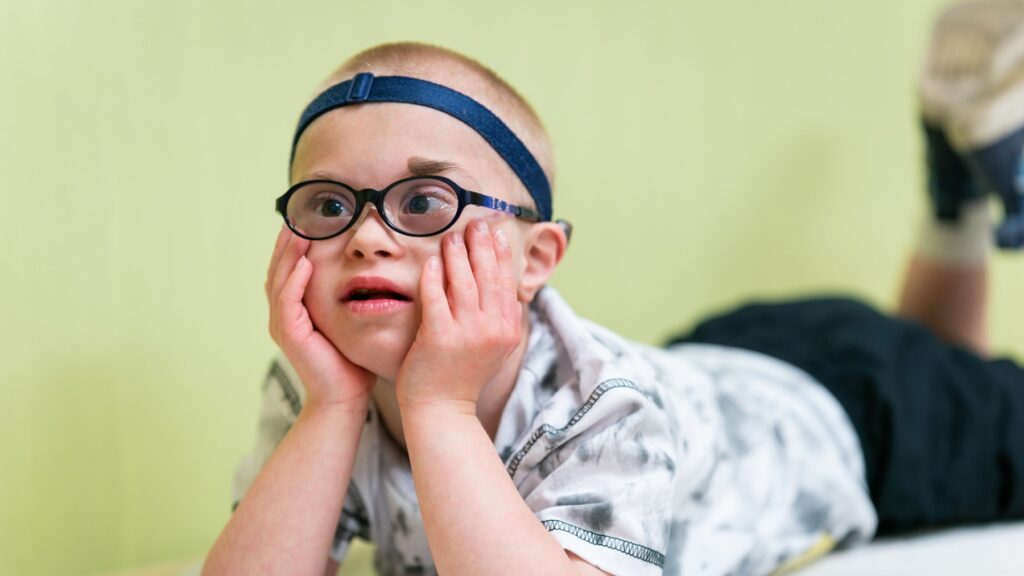
Neurodevelopmental conditions affect how a child’s brain grows and functions. These conditions can influence learning, attention, communication, and behavior.
Some of the most common neurodevelopmental conditions include:
- Autism Spectrum Disorder
- Attention Deficit Hyperactivity Disorder
- Dyslexia
- Down Syndrome
- Microcephaly
These conditions are often identified during early childhood, although some signs may appear later as demands in school and social settings increase.
Neurodevelopmental conditions exist on a spectrum, meaning that each child may experience different levels of challenges and strengths. For example, a child with Autism Spectrum Disorder may have advanced abilities in certain areas while needing support in communication or social interaction. Understanding this variability helps parents avoid comparison and instead focus on their child’s individual progress.
Early intervention programs have proven to be highly effective in supporting children with developmental differences. These programs often include structured therapies, guided play, and parental involvement strategies designed to enhance learning and communication skills. The earlier these supports begin, the better the outcomes for the child.
Early Intervention and Therapy Options
Early intervention is one of the most powerful tools in supporting children with developmental challenges. Once a condition such as Autism Spectrum Disorder or Attention Deficit Hyperactivity Disorder is identified, timely support can significantly improve outcomes.
Common therapy options include:
- Speech and language therapy
- Occupational therapy
- Behavioral therapy
- Physical therapy
These therapies focus on improving communication, motor skills, social interaction, and independence.
Parents play an essential role by reinforcing therapy strategies at home, creating a consistent and supportive environment for the child.
Common Signs Parents Should Watch For
- Delayed speech or language development
- Difficulty maintaining attention
- Repetitive behaviors
- Challenges in social interaction
- Learning difficulties
Understanding these signs early allows parents to seek professional evaluation and begin supportive interventions.
Supporting Children with Neurodevelopmental Conditions
Support may include:
- Speech and language therapy
- Occupational therapy
- Behavioral interventions
- Individualized education plans
With the right support, many children with neurodevelopmental conditions thrive and develop strong abilities.
Neurological Disorders in Children


Neurological disorders are conditions that affect how the brain, spinal cord, and nervous system function. These conditions can influence movement, coordination, cognition, and overall functioning.
Examples include:
- Epilepsy
- Cerebral Palsy
- Dystonia
- Multiple Sclerosis
- Traumatic Brain Injury
Understanding the Impact
These conditions may present with:
- Seizures or abnormal movements
- Muscle stiffness or weakness
- Difficulty with balance and coordination
- Developmental delays
- Cognitive challenges
The severity varies widely. Some children require lifelong care, while others improve significantly with treatment.
Management and Care
Managing neurological conditions often involves:
- Medication
- Physical therapy
- Assistive devices
- Regular medical monitoring
Early and consistent care helps improve quality of life.
Living with a neurological condition can affect a child’s daily life in many ways, including their ability to participate in school, play, and social activities. Some children may require assistive devices or special accommodations to help them function independently. With proper support, many children adapt well and lead fulfilling lives.
Parents should also be aware that neurological symptoms can sometimes appear suddenly, especially in conditions like Epilepsy or Traumatic Brain Injury. Prompt medical evaluation is crucial whenever a child experiences unusual physical or behavioral changes.
Daily Life Challenges and Adaptation
Children living with neurological conditions often face challenges that go beyond medical symptoms. Everyday activities such as walking, writing, or participating in school may require additional support.
For example, children with Cerebral Palsy may need mobility aids, while those with Epilepsy may require careful monitoring to manage seizures.
Despite these challenges, many children adapt well when provided with:
- Supportive family environments
- Access to therapy and medical care
- Encouragement to participate in activities
Focusing on abilities rather than limitations helps children build confidence and independence.
Genetic and Structural Conditions

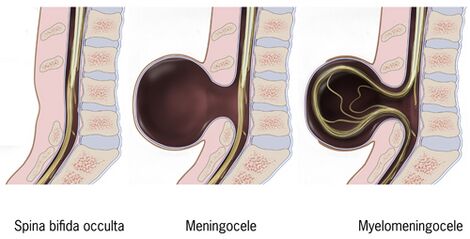
Genetic and structural conditions are often present at birth and may affect physical development, muscle function, or organ systems.
Common conditions include:
- Muscular Dystrophy
- Spina Bifida
- Tuberous Sclerosis
Key Characteristics
These conditions may involve:
- Muscle weakness or degeneration
- Structural differences in the spine or brain
- Developmental delays
- Chronic health needs
Long-Term Support
Children with these conditions benefit from:
- Multidisciplinary medical care
- Rehabilitation services
- Emotional and social support
- Family education and involvement
Early intervention plays a critical role in improving independence and quality of life.
Advances in medical care have improved the quality of life for children with genetic and structural conditions. Early diagnosis, combined with personalized treatment plans, allows families to better manage these conditions and support their child’s development.

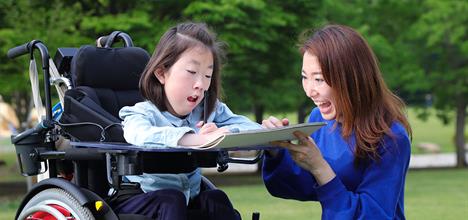
Family education is equally important. When parents understand the nature of conditions like Spina Bifida or Muscular Dystrophy, they are better equipped to advocate for their child’s needs in healthcare and educational settings.
Brain Infections and Serious Childhood Illnesses
Certain infections can directly affect the brain and nervous system, requiring urgent medical attention.
Important examples include:
- Meningitis
- Encephalitis
- Warning Signs
Parents or guardians should seek medical care if a child displays the following:
- High fever
- Severe headache
- Neck stiffness
- Sensitivity to light
- Confusion or seizures
These conditions can progress rapidly, making early treatment essential.
Prevention and Child Health Protection
Prevention is a key part of child health. While not all conditions can be prevented, many risks can be reduced through simple but effective measures.
Parents can protect their children by:
- Ensuring routine vaccinations
- Maintaining proper hygiene
- Providing balanced nutrition
- Seeking early treatment for infections
For example, timely vaccination can help reduce the risk of serious illnesses such as those affecting the brain and nervous system. Preventive care not only protects physical health but also supports long-term development.
Common Child Health Conditions
In addition to complex disorders, children may also experience more common health conditions that still require proper care and awareness.
Examples include:
- Asthma
- Type 1 Diabetes
- Anemia
- Malnutrition
- Pneumonia
Why Awareness Matters
These conditions are often manageable but can become serious without proper care. Recognizing symptoms early allows for timely treatment and better outcomes.
Recognizing Early Warning Signs in Children
Recognizing something is off might take time. However, parents tend to notice if something is not okay. Trusting your instincts is important.
Watch for:
- persistent developmental delays
- unusual behaviors
- frequent illness or fatigue
- difficulty in learning or concentration
- physical symptoms that do not improve
Early evaluation can provide clarity and direction.
Nutrition and Its Role in Child Health
Nutrition plays a central role in a child’s growth and overall health. A balanced diet supports brain development, strengthens the immune system, and helps prevent various health conditions.
Poor nutrition may lead to issues such as:
- Weakened immunity
- Delayed growth
- Learning difficulties
- Increased risk of illness
Children need a diet rich in:
- Fruits and vegetables
- Proteins
- Whole grains
- Essential vitamins and minerals
Good nutrition is especially important for children managing chronic conditions, as it supports recovery and overall well-being.
Supporting Children in School and Learning Environments

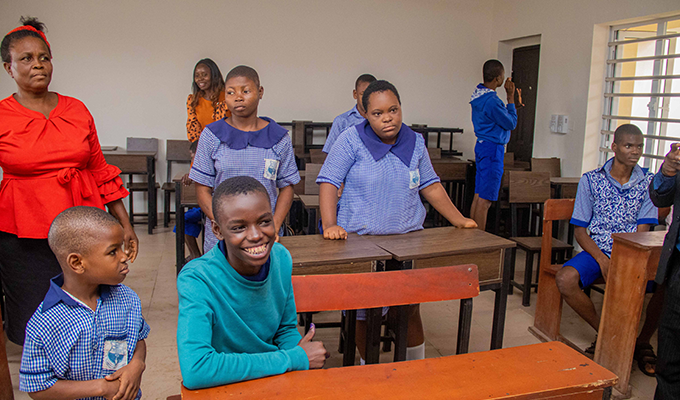
Children with health or developmental conditions often face challenges in school settings. These may include difficulty concentrating, learning at the same pace as peers, or participating in physical activities.
Schools can support children by:
- Providing individualized education plans
- Offering additional learning support
- Creating inclusive classroom environments
- Allowing flexible teaching approaches
Collaboration between parents and teachers is essential to ensure that the child receives consistent support both at home and in school.
Working with Healthcare Professionals
Managing child health conditions often requires collaboration with healthcare professionals. This may include pediatricians, neurologists, therapists, and specialists.
Parents can make the most of these relationships by:
- Asking questions and seeking clarity
- Keeping records of symptoms and progress
- Following treatment plans consistently
- Attending regular check-ups
Open communication ensures that the child receives the best possible care.
Supporting Children with Health Conditions
Children with medical or developmental conditions need more than medical care—they need understanding, patience, and encouragement.
Key Areas of Support
- Emotional reassurance
- Structured routines
- Inclusive education
- Family involvement
- Community support
Note, creating supportive environment for children helps build their confidence and resilience. Support should also extend to the emotional well-being of the child. Children who feel understood and accepted are more likely to develop confidence and resilience. Encouraging open communication helps children express their feelings and cope with challenges.
Co-Occurring Conditions in Children
Some children may experience more than one condition at the same time. These are known as co-occurring conditions. For example, a child with Attention Deficit Hyperactivity Disorder may also have learning difficulties such as Dyslexia, or a child with Autism Spectrum Disorder may experience anxiety.
Understanding co-occurring conditions helps parents and professionals create more effective support plans. Instead of addressing one issue at a time, a comprehensive approach ensures that all aspects of the child’s development are supported. Early assessment and collaboration between healthcare providers, educators, and families play a key role in managing multiple conditions effectively.
The Role of Parents and Caregivers

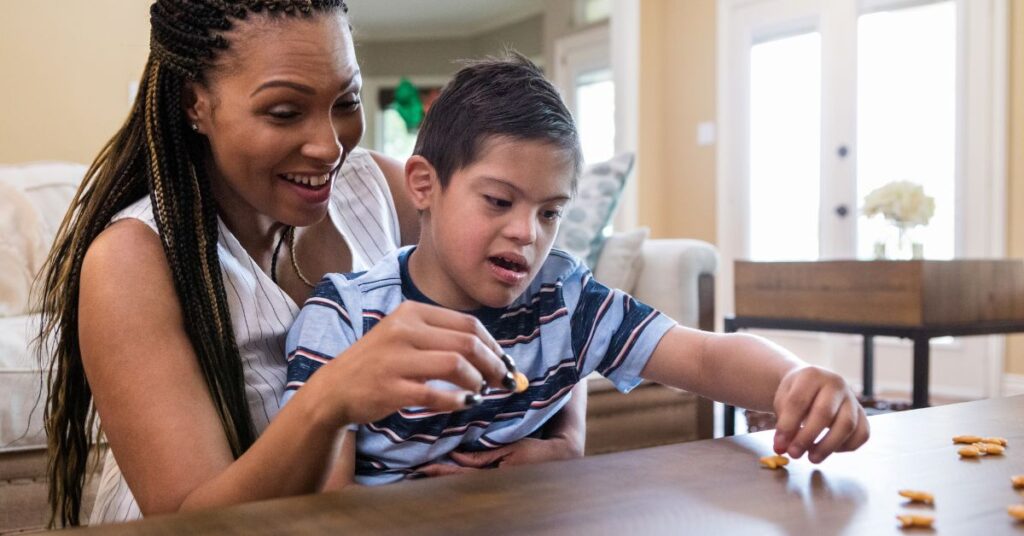
Parents are central to a child’s well-being. Being informed helps you:
- Advocate for your child
- Make informed healthcare decisions
- Provide emotional support
- Navigate educational systems
Parenting a child with health needs can be challenging, but with the right support, it becomes manageable.
Diagnosis and Medical Evaluation in Children
Diagnosing child health conditions often involves multiple steps, including observation, developmental screening, and medical testing. Healthcare professionals may use tools such as behavioral assessments, imaging tests, or genetic screening depending on the condition.
Parents should not hesitate to seek a second opinion if they feel uncertain about a diagnosis. Accurate diagnosis is important because it guides treatment decisions and support strategies.
Regular pediatric check-ups are also essential, as they help monitor a child’s growth and identify potential concerns early.
It is important to remember that seeking help early does not mean something is seriously wrong. Instead, it allows parents to rule out concerns or begin early support if needed. Many developmental and health challenges can be managed effectively when addressed at the right time.
The Importance of Awareness and Early Intervention
Raising awareness about child health conditions reduces stigma and promotes early support.
Organizations like World Health Organization and Centers for Disease Control and Prevention emphasize:
- Early screening
- Timely diagnosis
- Access to healthcare
- Community education
Early intervention programs can significantly improve outcomes.
Building a Supportive Community
Children (all ages) tend thrive in environments where they are loved, accepted and supported.
Communities can help by:
- Promoting inclusive education
- Supporting families
- Increasing awareness
- Reducing stigma
Together, families, schools, and communities create a strong support system.
Disclaimer
This guide is for educational purposes only and should not replace professional medical advice. Parents or responsible parties must consult a qualified healthcare provider for proper diagnosis and correct treatment.
Caring for Yourself as a Parent
Caring for a child with health needs can be emotionally and physically demanding. Parents may experience stress, worry, or fatigue while trying to meet their child’s needs.
It is important for parents to:
- Seek support from family and friends
- Connect with other parents facing similar challenges
- Take time for self-care
- Access professional counseling if needed
Taking care of your own well-being allows you to better support your child.
Long-Term Outlook for Children with Health Conditions
The long-term outlook for children with health conditions varies depending on the type and severity of the condition. However, many children go on to live fulfilling and meaningful lives with the right support.
Advances in healthcare, therapy, and education have made it possible for children to:
- Develop independence
- Succeed in school
- Build social relationships
- Pursue their interests and talents
Early intervention, family support, and access to resources play a significant role in shaping positive outcomes.
Conclusion
As awareness continues to grow, more resources are becoming available to support families navigating child health challenges. Staying informed and connected to reliable information helps parents feel empowered rather than overwhelmed.
Understanding child health and medical conditions empowers parents to take informed action. While some conditions may feel overwhelming, knowledge, early intervention, and support can make a meaningful difference.
Regardless of the condition or disability every child is unique and requires equal opportunities to grow, learn, and thrive. With awareness and the right resources, parents can confidently support their child’s journey toward a healthy and fulfilling life.


Gladys Njeri Ndungu is a dedicated educator and the founder of Healthy Chic Gazette, a global resource for parenting and kid wellness. With over 10 years of experience since 2012, Gladys is a qualified ECDE teacher with specialized certifications in Special Needs, Child Ministry, and Psychology.
She founded this platform to provide a safe, empathetic space for families navigating everything from Special needs care, gentle sleep techniques and feeding to teenager transitions and home safety. By combining her deep background in child development with modern IT and AI expertise, Gladys helps parents bridge the gap between traditional wisdom and future-ready strategies. Her mission is simple: to empower every parent to raise healthy, well-rounded children with confidence and heart.