
Table of Contents
Parenting is one of the most influential roles in shaping a child’s emotional, social, and behavioral development. Parenting and discipline strategies affect how children manage emotions, build relationships, and respond to challenges throughout life. Understanding behavior management techniques, parenting styles, and communication strategies helps parents nurture confident, emotionally balanced, and socially responsible children.
Discipline is often misunderstood as punishment, but effective parenting discipline focuses on guidance, teaching, and emotional support. Children benefit most when discipline encourages learning rather than fear. Parenting approaches that emphasize consistency, empathy, and positive reinforcement help children develop self-control and decision-making skills.
This parenting and discipline guide explores behavior management techniques, parenting psychology, and communication strategies that support healthy child development across different age stages.
Understanding Child Behavior and Emotional Development
Child behavior is closely connected to emotional development and environmental influences. Children learn behaviors by observing caregivers, interacting with peers, and responding to their surroundings. When parents understand the emotional reasons behind behavior, they can respond with supportive discipline rather than reactive punishment.
Behavior challenges often occur during developmental transitions. Toddlers, for example, may struggle with emotional expression because they lack advanced communication skills. Older children and teenagers may display behavioral changes as they develop independence and identity. Recognizing these developmental stages helps parents respond appropriately while maintaining healthy boundaries.
Parents who focus on emotional awareness often notice improvements in child cooperation and communication. Encouraging children to express feelings using words rather than behaviors helps strengthen emotional intelligence and reduces frustration-based reactions.
Children also learn behavioral patterns through reinforcement cycles within their daily environments. When children receive attention during negative behavior, they may unintentionally repeat those behaviors to gain emotional responses. Parents who understand reinforcement patterns can redirect attention toward positive behaviors and reduce undesirable behavior frequency. This approach helps children learn healthier communication and emotional expression skills over time.
Observing behavioral triggers such as fatigue, hunger, overstimulation, or sudden routine changes allows parents to respond proactively rather than reactively. Preventive parenting techniques often reduce behavior challenges by addressing emotional and physical needs before behavioral problems escalate.
Positive Discipline Strategies for Healthy Behavior Development

Positive discipline focuses on teaching children appropriate behavior while maintaining emotional respect and trust. Instead of punishing mistakes, positive discipline encourages children to learn responsibility through guidance and consistent expectations.
Parents using positive discipline often set clear household rules while explaining the purpose behind them. Children are more likely to follow guidelines when they understand expectations and consequences. Consistent routines, predictable consequences, and calm correction techniques support long-term behavior improvement.
Positive discipline also involves modeling respectful behavior. Children learn social behavior by observing how caregivers manage stress, conflict, and communication. Parents who demonstrate patience and problem-solving skills help children develop similar coping strategies.
Positive discipline also encourages children to participate in problem-solving discussions. When children are included in conversations about rules and consequences, they develop a stronger sense of responsibility and ownership over their behavior. Collaborative discipline helps children learn decision-making skills while understanding how their choices affect family routines and relationships. Parents seeking practical methods can explore these detailed positive discipline strategies for parents that encourage respectful and effective behavior guidance.
Parents who involve children in age-appropriate behavior discussions often notice improved cooperation. Children feel respected when their opinions are heard, which strengthens trust and encourages positive behavioral change. Parents can also review evidence-based positive parenting guidance provided by the CDC, which explains behavior management strategies across developmental stages
Building Consistency in Discipline Approaches
Consistency is one of the most important elements of effective discipline. Children feel secure when rules remain predictable and consequences are applied fairly. Inconsistent discipline may confuse children and increase behavior challenges.
Parents can build consistency by creating clear family expectations and following through with established consequences. Consistency does not mean strict control but rather dependable guidance that helps children understand acceptable behavior patterns.
Caregivers working together should maintain similar discipline approaches. When children receive mixed behavior expectations, they may struggle to understand boundaries. Unified parenting strategies promote emotional stability and behavioral learning. Managing early childhood behavior becomes easier with these supportive positive discipline strategies for toddlers designed for emotional development.
Using Positive Reinforcement to Encourage Behavior
Positive reinforcement encourages children to repeat desirable behaviors by recognizing and rewarding positive actions. Simple reinforcement techniques such as verbal praise, encouragement, or small rewards help children associate good behavior with positive outcomes.
Positive reinforcement strengthens confidence and motivation. Children who receive recognition for effort rather than perfection often develop strong problem-solving abilities and resilience. Encouraging effort-based praise helps children build a growth mindset, allowing them to view challenges as learning opportunities.
Parents should focus reinforcement on specific behaviors rather than general praise. For example, recognizing a child for sharing toys or completing responsibilities helps reinforce targeted behavioral skills. Parents can encourage good behavior using proven positive reinforcement techniques for child discipline that strengthen learning and confidence. The American Academy of Pediatrics provides research-based recommendations on parenting approaches and healthy child behavior development.
Understanding Toddler Tantrums and Emotional Regulation
Toddler tantrums are a common developmental stage as children learn to manage frustration and independence. Tantrums often occur because toddlers lack advanced communication and emotional regulation skills. Understanding tantrum triggers helps parents respond calmly and support emotional development.
Parents can help toddlers manage emotional outbursts by maintaining calm responses and offering comfort without reinforcing negative behavior. Acknowledging toddler emotions while setting boundaries teaches children to express feelings safely.
Providing structured routines and predictable environments reduces tantrum frequency. Toddlers feel more secure when daily schedules remain consistent, allowing them to anticipate transitions and expectations. Understanding emotional triggers helps parents manage behavior, and this guide explains toddler tantrums causes and responses in detail.
Parenting Styles and Their Influence on Child Development
Parenting styles are significant as they help in modeling a child’s emotional confidence, their social behavior, and huge part of academic performance. Psychological research identifies several parenting styles, including authoritative, authoritarian, permissive, and uninvolved parenting. Each parenting approach influences child development differently.
Understanding parenting style differences helps parents reflect on their discipline approaches and make informed parenting adjustments. Healthy parenting balances emotional warmth with clear behavioral expectations. (Research from the American Psychological Association highlights how parenting styles influence emotional development and behavioral outcomes in children.)
Authoritative Parenting and Emotional Growth
Authoritative parenting combines emotional support with consistent discipline and open communication. Parents using this approach provide guidance while encouraging independence and problem-solving skills.
Children raised with authoritative parenting often demonstrate strong self-confidence, emotional intelligence, and social responsibility. They tend to develop healthy decision-making skills because they learn to understand consequences rather than fear punishment.
Authoritative parents listen to children’s perspectives while maintaining consistent boundaries. This balance supports both emotional bonding and behavioral learning. Families interested in balanced discipline approaches can learn more about the long-term authoritative parenting effects on kids.
Cultural Influences on Parenting Approaches
Parenting styles are often influenced by cultural traditions, social expectations, and family values. Different cultures emphasize various parenting priorities, such as independence, respect for authority, or family interdependence.
Understanding cultural influences helps parents respect diverse parenting perspectives while adapting strategies that support their child’s emotional and developmental needs. Cultural awareness also encourages children to appreciate family traditions and social identity.
Parents who combine cultural values with child-centered discipline approaches often create balanced parenting environments that support both emotional security and social responsibility. Parenting approaches vary globally, and this article explores how cultural influences shape parenting styles and child development.
Attachment Parenting and Emotional Bonding
Attachment parenting focuses on strengthening emotional connections between parents and children through responsive caregiving and consistent emotional support. This parenting approach emphasizes understanding children’s emotional needs and building secure attachments.
Children who develop secure attachments often show improved emotional regulation and confidence in exploring new environments. Attachment parenting encourages responsive listening, comfort during distress, and supportive caregiving routines.
Parents practicing attachment parenting often maintain strong emotional bonds while encouraging independence gradually as children grow. This approach helps children develop trust and social confidence. Parents focusing on emotional connection can explore these helpful attachment parenting techniques for toddlers.
Effective Communication Strategies for Parents
Communication plays a critical role in parenting and discipline. Open communication helps children express emotions, understand expectations, and develop conflict resolution skills. Parents who encourage honest conversations often strengthen emotional relationships with their children. Effective communication includes active listening, respectful language, and age-appropriate explanations. Children respond positively when parents validate their feelings and encourage problem-solving discussions.
Parents should also model positive communication during disagreements. Demonstrating calm conversation skills teaches children how to manage conflicts respectfully. Parents should also pay attention to nonverbal communication cues during conversations. Body language, facial expressions, tone of voice, and physical posture influence how children interpret parental messages. Calm and supportive nonverbal communication helps children feel emotionally safe during discussions, even when addressing behavior correction.
Children often respond more positively when parents maintain eye contact, use gentle tone variations, and demonstrate patience during conversations. Nonverbal reassurance strengthens emotional bonding and encourages children to communicate openly about their thoughts and experiences. Strong parent-child relationships often begin with open dialogue, and this guide provides practical effective communication strategies for parents.
Active Listening and Emotional Validation
Active listening involves focusing fully on a child’s message without interrupting or dismissing emotions. When parents listen attentively, children feel respected and more willing to communicate openly.
Emotional validation acknowledges children’s feelings even when behavior correction is necessary. Validating emotions does not mean approving inappropriate behavior but rather helping children understand and manage feelings safely. Parents who consistently practice active listening often build stronger trust and communication with their children.
Encouraging Parent-Teen Communication
Communication becomes increasingly important during adolescence as teenagers seek independence and identity development. Teenagers benefit from parenting approaches that encourage respectful dialogue rather than strict authority control.
Parents can strengthen teen communication by creating safe discussion environments and avoiding judgmental responses. Encouraging teenagers to share opinions and experiences supports emotional bonding and mutual respect.
Maintaining open communication helps teenagers seek parental guidance during decision-making and reduces risky behavior patterns. Communication becomes especially important during adolescence, and this article explores helpful parent-teen communication strategies.
Enhancing Parent-Teen Conversations through Mutual Respect

Parent-teen conversations become more productive when both parties practice respectful communication. Parents can encourage cooperation by allowing teenagers to participate in family decision-making discussions.
Mutual respect helps teenagers feel valued and responsible for their choices. Parents who maintain calm discussions during disagreements help teenagers develop conflict resolution and negotiation skills that benefit future relationships. Building trust through respectful communication strengthens long-term parent-child relationships. Families can strengthen relationships by applying techniques for enhancing parent-teen conversations and mutual respect.
Supporting Emotional Intelligence through Parenting
Emotional intelligence refers to the ability to recognize, understand, and manage emotions effectively. Parenting strategies significantly influence emotional intelligence development. Children learn emotional regulation by observing caregiver responses to stress, conflict, and communication.
Parents can support emotional intelligence by teaching children to label emotions and practice coping techniques. Encouraging empathy helps children understand how their actions affect others. Emotional intelligence supports social success, academic achievement, and healthy relationships throughout life.
Families that promote emotional discussions and supportive discipline often raise children with strong emotional awareness and resilience. Parents can strengthen emotional intelligence by encouraging children to practice empathy through daily social interactions. Teaching children to consider how others feel helps build compassion and social awareness. Parents can model empathy by discussing emotions during real-life situations and encouraging children to reflect on how their actions affect others.
Providing opportunities for children to engage in cooperative activities such as group play, teamwork, or family problem-solving tasks helps reinforce emotional understanding. These social experiences contribute to improved emotional regulation and relationship skills. The UK National Health Service provides practical parenting advice that supports children’s emotional wellbeing and behavioral development.
Managing Behavior Challenges across Developmental Stages
Behavior challenges vary depending on developmental stages. Toddlers may display tantrums due to communication limitations, while school-age children may test boundaries as they develop independence. Teenagers often experience emotional fluctuations during identity formation.
Parents should adapt discipline techniques according to developmental needs. Younger children benefit from structured routines and simple explanations, while older children and teenagers respond better to collaborative problem-solving discussions. Understanding developmental behavior patterns helps parents remain patient and provide consistent guidance that supports long-term behavioral growth.
Creating Balanced Parenting Routines and Family Structure
Family routines provide structure that supports behavioral stability and emotional security. Consistent daily schedules help children understand expectations and develop responsibility. Balanced routines include academic responsibilities, family bonding time, recreation, and rest periods.
Parents should maintain flexibility within routines to accommodate developmental changes and family schedules. Structured environments help children feel secure while learning time management and responsibility skills. Family routines also provide opportunities for positive discipline reinforcement through shared activities and communication.
Family routines also create opportunities for positive communication and bonding. Shared activities such as family meals, recreational outings, and daily check-in conversations strengthen emotional connections between parents and children. These shared experiences help children feel valued and encourage open communication.
Regular family routines provide predictable environments that help reduce anxiety and behavioral uncertainty. Children who participate in structured family activities often develop stronger emotional security and social confidence.
Encouraging Independence While Maintaining Guidance
Healthy parenting supports independence while maintaining appropriate supervision. Encouraging children to make decisions helps them develop confidence and problem-solving abilities. Parents should provide age-appropriate responsibilities that promote accountability and life skill development.
Independence development should occur gradually with supportive guidance. Children who experience guided independence often demonstrate strong decision-making skills and emotional confidence during adolescence and adulthood.
Building Strong Parent-Child Relationships through Discipline and Communication
Parent-child relationships form the foundation of emotional security and social development. Discipline approaches that combine emotional warmth, consistent expectations, and open communication strengthen family relationships. Children who experience supportive discipline often develop strong self-esteem and social competence. Positive parenting environments encourage children to communicate openly and seek guidance during challenges. Maintaining emotional connection while teaching behavioral responsibility helps parents raise confident, respectful, and emotionally balanced children.
Handling Parenting Stress While Maintaining Positive Discipline
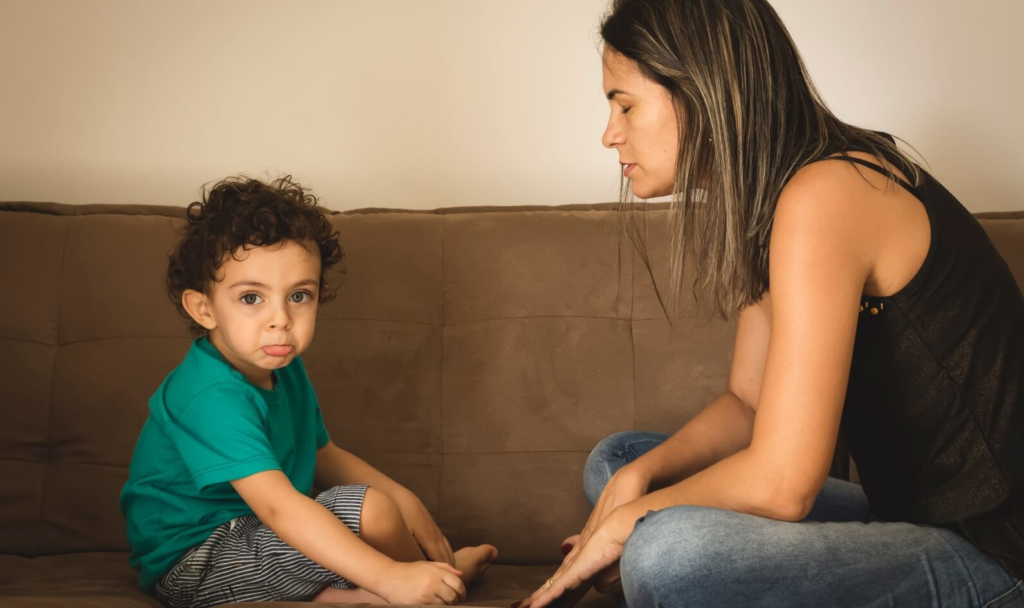
Parenting responsibilities can sometimes create emotional stress, especially when managing behavior challenges, work responsibilities, and family routines simultaneously. Parents experiencing stress may find it difficult to remain patient during discipline situations. Recognizing parental stress triggers allows caregivers to implement self-care strategies that support effective parenting.
Parents who maintain emotional wellbeing often demonstrate more consistent discipline approaches. Taking short breaks, seeking family support, and practicing stress management techniques help caregivers remain calm during challenging parenting moments. Children benefit significantly when parents model healthy emotional coping strategies.
Balancing discipline with parental self-care helps create stable family environments where children feel emotionally secure. When parents maintain emotional resilience, they are better prepared to provide supportive guidance and consistent behavioral expectations.
Long-Term Benefits of Positive Parenting and Discipline Strategies
Positive parenting and discipline strategies contribute to lifelong emotional and behavioral success. Children raised in supportive parenting environments often demonstrate strong academic motivation, social adaptability, and emotional resilience.
Parenting approaches that focus on guidance, communication, and emotional understanding help children develop essential life skills. These skills support future success in education, relationships, and professional environments.
Investing in effective parenting and discipline strategies creates lasting benefits for both children and family relationships. Parents who maintain balanced discipline and communication approaches help children grow into confident, responsible, and emotionally intelligent individuals.