Table of Contents
You can never predict parenting no matter the number of children you have or have raised. It’s a surprising journey that comes with multiple emotional hiccups. Actually, many people have cried more during their parenting journey than when they were child-free (biological or adopted). Here, you discover neurological conditions and other developmental details you never thought you will ever encounter.
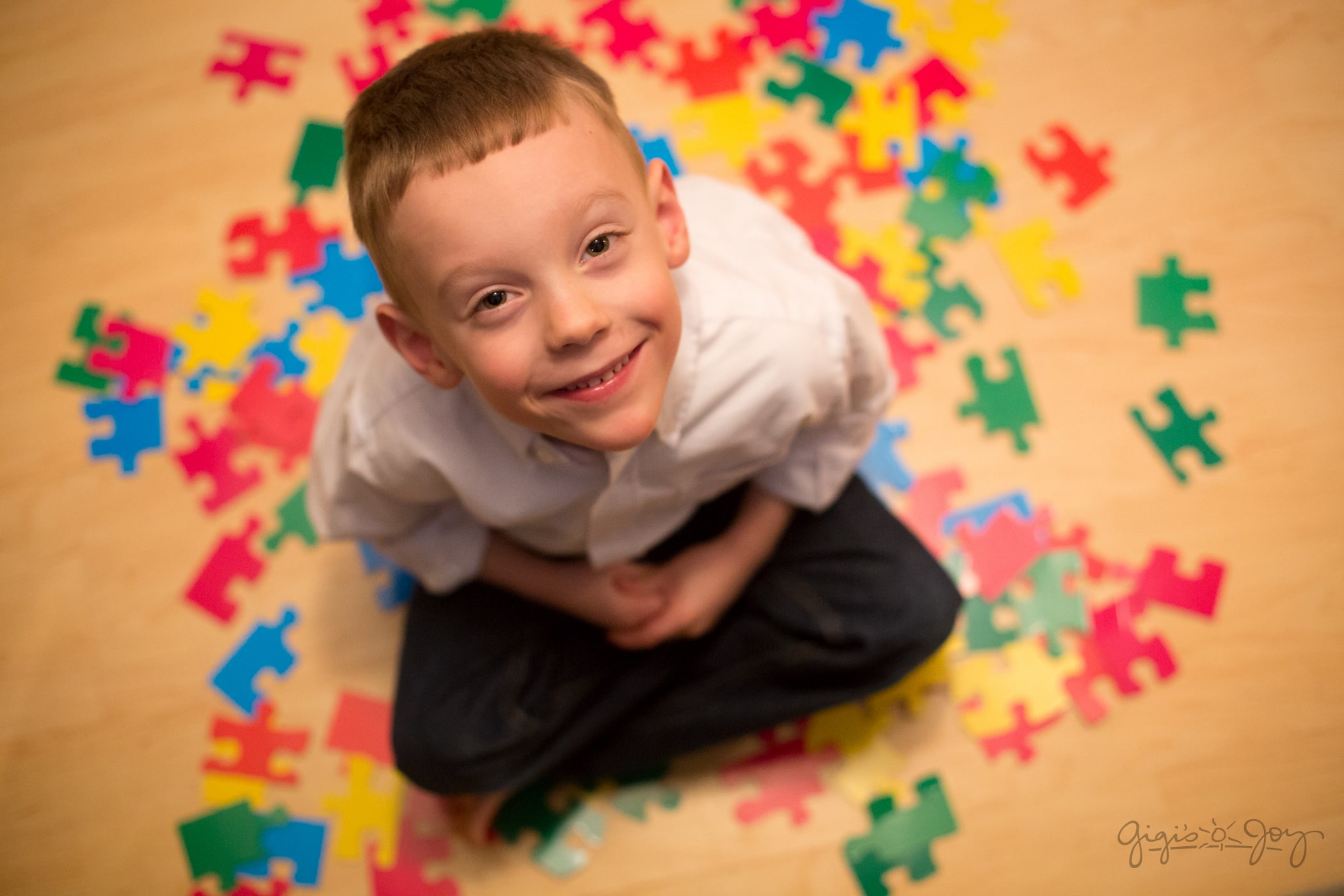
Autism Spectrum Disorder is among the known neurodevelopment conditions discovered in many children. It’s a present condition involving brain development where the brain works differently. The condition causes socialization, communication and behavior changes. However, the condition or the disability is unique to every child meaning every individual acts differently according to the effects.
ASD has no known cause but leans more to genetic and sometime environmental factors. It’s not a matter of bad parenting as it can happen to any child regardless of the parenting experiences. For parents and society the question is always. Why didn’t I notice during my prenatal clinic? Or why didn’t I or we see during their infant stages?
Major and visible signs of Autism Spectrum Disorder
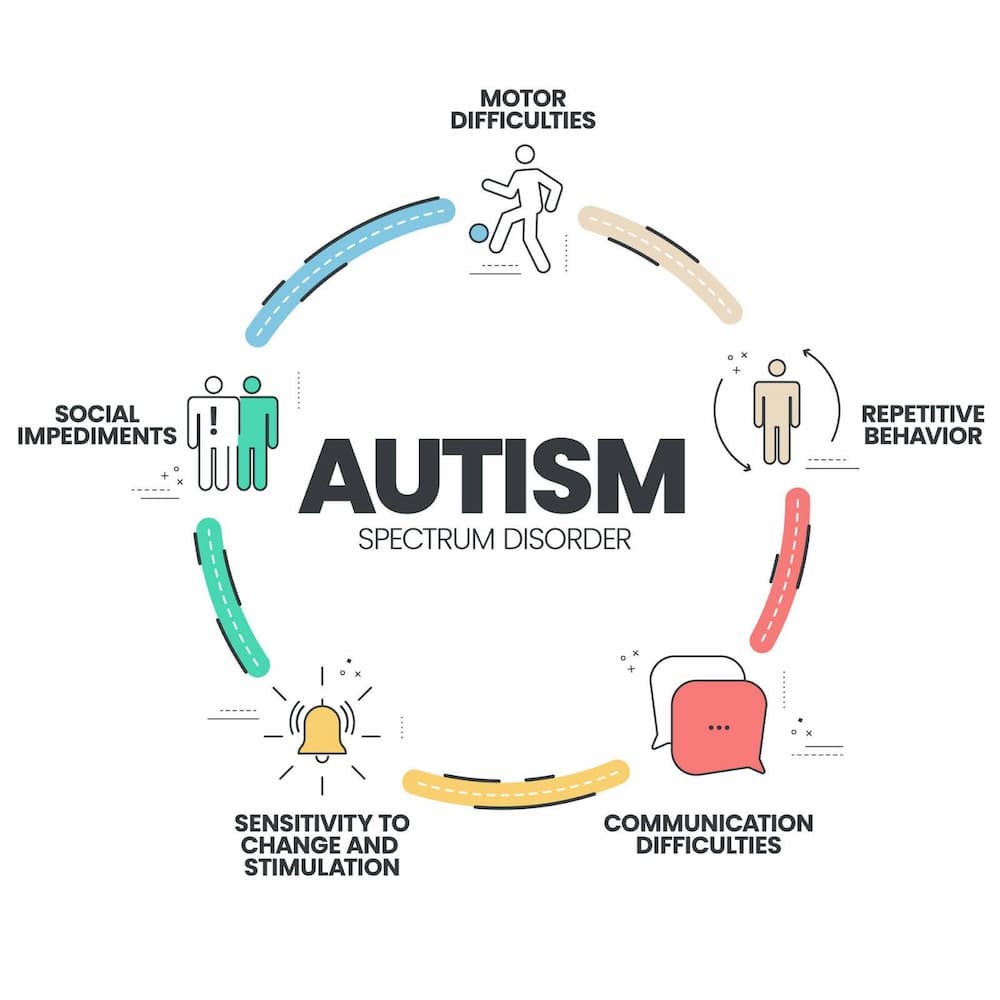
Majority of kids or individuals with ASD show socialization and communication (social communication) problems. The condition (disability) comes with repetitive behaviors or show no interest in common things that other children do or want. With each case being unique every some children show mild signs while others have severe symptoms.
Children with Autism Spectrum Disorder tend to have hyped behaviors that sometimes invite temper tantrums. The children in this gap also have issues in focusing or being attentive. To understand whether a child has ASD one can check out for the following signs (however, parents/guardians need to seek out specialist advice and diagnosis).
- Lack or no eye contact.
- Repeating certain movements or having unusual movements like body rocking.
- Not responding to their name.
- Difficulty in speech even at the right age.
- Having a hard time interacting with others.
- No social play (age 12-months and more).
- Children with ASD use more of gestures rather than speaking.
- They have difficulty with following routine.
- A child with Autism spectrum disorder don’t like or have trouble with loud sounds.
- They are sensitive to taste and touch as most don’t like being touched or particular food textures.
- Some or majority have sleep issues.
- By the age of 9 months most children with ASD don’t show expressions like anger, surprised, sad or happy.
- The child doesn’t respond to activities such dancing, pretend acts or singing.
- No pretend play such and imitating mum, dad or their teacher or a superhero.
Repetitive behaviors experienced by Children with Autism Spectrum Disorder
ASD kids have different behaviors and interests which are only unique to them. This defines each child as they display the behaviors in a certain rhythm or pattern. Here are some repetitive behaviors displayed by ASD children.
- Echolalia or the repeat of words/phrases over and over.
- Arranging objects in a line or particular pattern. The child gets upset if the order changes or interrupted.
- They play with heir toys the same way all the time.
- The child only concentrates on specific parts of the objects or toys.
- They don’t like changes and get annoyed if any change happens.
- Obsessive interests like smelling on a particular piece of cloth or part of their hand or someone’s hand.
- Repeats some routine daily
- Likes flapping hands, rocking their body or spinning in circles.
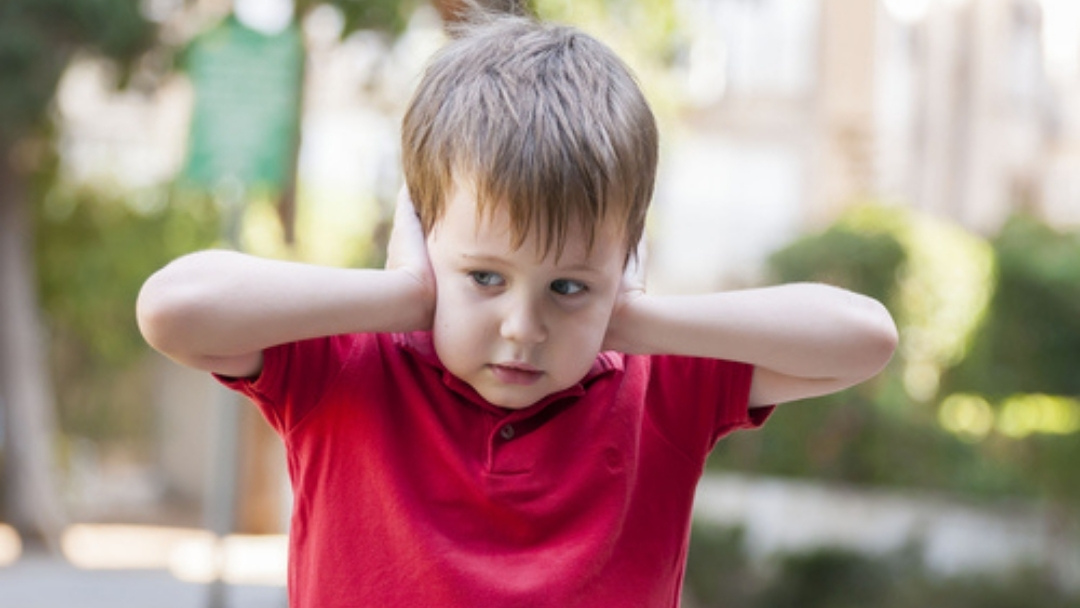
- Doesn’t like loud noises thus blocking the ears all the time.
Physical characteristics of Autism Spectrum Disorder
Parents/guardians will notice various physical neurodevelopmental characteristics with the ASD effect child. The condition is different for every child, parents should never compare their child’s condition with others.
- Delays in language or speech delay.
- Physical movement delays.
- Slow or delayed cognitive and intellectual learning skills.
- Hyperactivity and inattentive behavior.
- Epilepsy (some) seizures.
- Poor sleeping and eating habits.
- Excessive anxiety and stress.
- No fear or more fear of different things like height or pain.
Is Autism a Disease?
We all take Autism as a disease and tend to think the parent or guardian had something to do with it. Truth is ASD isn’t a disease and it doesn’t have a particular cure as it’s a neurodevelopmental issue. Specialist, parents, caregivers and society need to embrace and work towards getting ways that cater to the ASD challenges.
Are Autistic children or individuals neurodivergent
No really as neurodivergent people have a specific strength or they excel in a certain task or area. Here Autism functions differently as there may be no precise thrive in tasks or areas.
Autism as a spectrum
Autism is considered a spectrum because it contains multiple traits in personality, strengthens and personal challenges. This means there are no exact support or remedy to fit all ASD characteristics or personalities. Every child’s case is totally different meaning their support is unique to their spectrum.
Should Autistic children fit in?
In the modern world ASD knowledge is gaining traction. Autism should be treat as an exclusive condition. Long are the days where parents and society expected individuals with Autism to fit in the normal lifestyle. Not considering their interests and skills. Today, they fit in but with their own space, terms and livelihood. They can learn, get incredible support and live a great life without worrying about the society.
When can one notice Autism Spectrum Disorder?
Based on the developmental issues, the condition can be noticed early or late. On rare occasions do parents get the symptoms in the infancy stage (0 to 6 months?) The toddler stage can be revealing as most kids start major activities like crawling walking and speech. Here, parents/guardians and specialist are able to pick some signs which they can observe to determine whether it’s ASD or normal developmental delays. However, we have Autism in teenagers and adults meaning some mild cases might go unnoticed or misdiagnosed as other problems such as ADHD.
Comparison of Autism Spectrum Disorder in Boys and Girls
Studies shows that male (boys) are four times likely to develop Autism that female (girls). However, this doesn’t conclusively mean girls don’t have ASD. In most cases girls are diagnosed later as they show the signs late or are concealed by their calm nature.
Sign of Autism in Girls
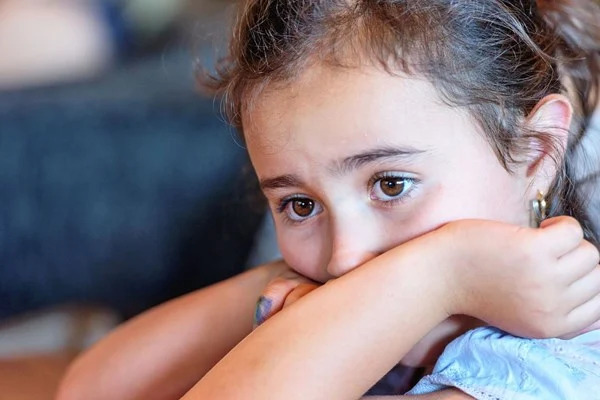
The signs don’t differ as much but there are few symptoms unique to every gender.
- Girls can easily mask the spectrum challenges by being too calm.
- They don’t seek social interaction.
- Calmness mistaken to be shy. Girls with Autism sometime are considered to be extroverts for they lack hobbies and interests.
- They get upset or stressed at familiar areas like home but are able to control their emotional at social places.
- They appear as day dreamers.
- Girls mimic others speeches and actions.
- They don’t have friends or have very few friends.
- They are possessive in terms of friendships but also lose interest very fast.
- Other children mother girls with ASD as they are generally easy to control.
- They have higher skills like standing up for others or aggressive and their language skill can be high or too low.
- They live in a fantasy world.
- Girls with ASD have particular interest which sometimes outmatch their ages.
- They are fussy eaters.
Autism in Boys
Autism Spectrum Disorder is likely to show early and faster in boys than in girls. Boys’ signs appear more on the socialization, communication and interaction aspects. The repetitive behaviors are more profound as boys react more. They don’t mask their behaviors but have a specific pattern for daily routines.
Recommended treatments for ASD
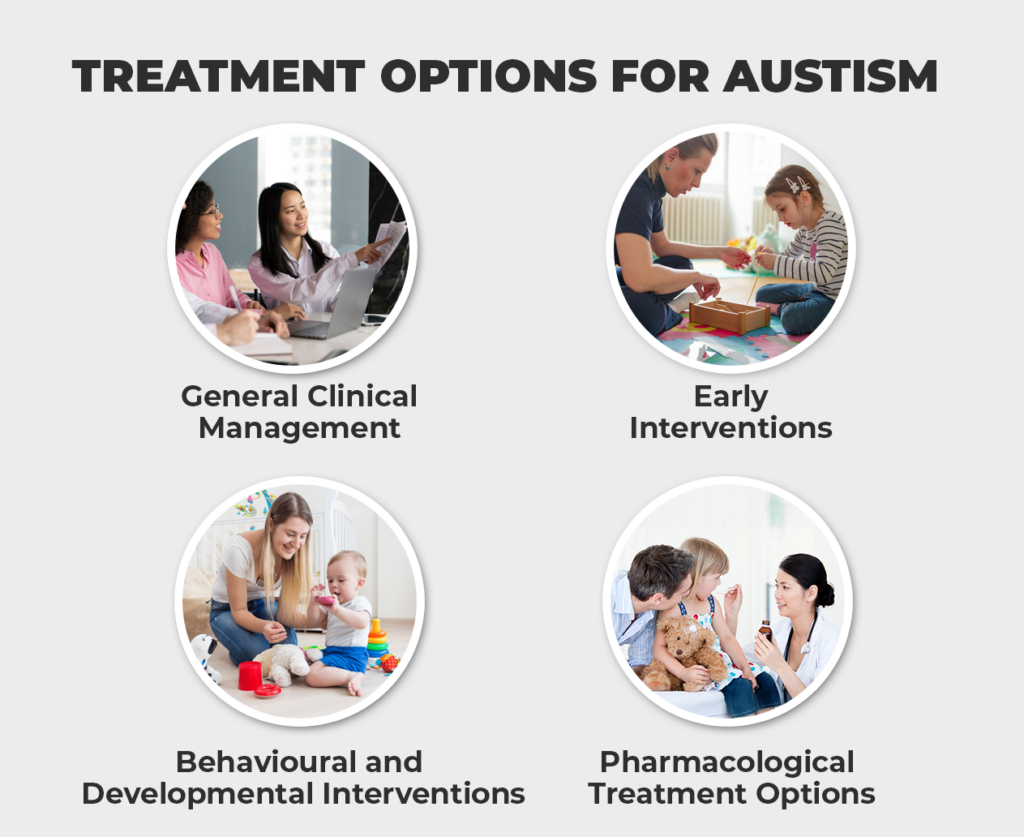
There is no specific treatment on Autism. The disability or condition is not a disease meaning no cure can be administered. According to the Centers for Disease Control and Prevention, autism spectrum disorder affects communication and behavior in different ways. However, there are several strategies to support ASD kids and adults as follows:
- Behavioral therapy sessions
This type of therapy comes in handy for all kids and adults with autism. It’s a technique used to decrease the common challenging behavior in ASD. Behavior therapy helps ease different problems such tantrums, self-half, stressful and aggression.
Behavior therapy allows the child to learn about daily activities like toileting, feeding and sleeping. They get to understand routine and how they should coordinate every activity. It’s a great medical option for treating anxiety and depression. During behavior therapy parents must participate as they need to practice same techniques at home over and over again.
Therapist using the behavior approach analyze the child’s or individuals before and after therapy behavior. Besides the medical professionals, behavior therapy can be used by educators and care givers in different institutions. Examples of behavior treatment is:
- Applied Behavior Analysis or ABA.
The approach emphasizes on positive deeds and discourages one from undesired actions. This helps enhance comprehensive positivity.
To achieve the ABA approach, specialist uses styles like:
- Discrete trial training/DTT
This is a step-by-step method that allows user to teach the desired behavior. Each lesson is divided into sections. The ASD child or adult is expected to answer accordingly (based on ability). With the correct answer and action the participants are awarded. However, wrong answers and actions are ignored and more practice is done.
- Pivotal Response training/PRT
PRT is conducted in natural environments, more of familiar places. The teaching styles doesn’t take place in clinic setting to help build different life skills. Pivotal skills include learning to interact and communicate with others.
Developmental method/treatment
Developmental method is comprehensive and includes multiple approaches that help in improving a child’s skills. The approach includes skills like language or speech therapy, physical and social skills. With speech therapy taking a huge part of the developmental treatment/therapy. Specialist work on improving verbal communication or signs/gestures and pictures according to the child’s ability. Developmental method includes the following therapies.
- Speech/language therapy
Speech therapy is also crucial and needful in ASD cases. Children learn how speak and improve on their language. The therapy checks on language expression, articulation, sound and receptive language. It’s a process that helps in children participate on conversations with others. Therapist use pictures to help in strengthening the communication and relatability to the context.
- Occupational Therapy
Occupational therapy boost everyday activities such as self-care, feeding and education related activities. The child learns on feeding and other important life activities. It’s more of sensory and motor integration.
- Sensory integration therapy
Sensory therapy allows user to improve on their sensory responses. Some kids have issues with their sensory motors and need more training on how to respond.
To arrive at positive results on the therapies, the developmental treatment uses Early Start Denver Model (ESDM) which is under ABA. This approach works best for children of 12 to 48 months. Engaging parties use socialization and natural environments that enhance language, social life, physical and learning skills.
- Group Therapy

A group therapy is broad and focuses on multiple strategies like behavior, social skills, communication, sensory, transitions, communication and general life. Here, parents and kids participates in different groups that align with their needs.
- Educational methods
This are classroom based treatment. Children with Autism Spectrum Disorder should also have classroom experience as it adds value to their growth and skills. One of the known classroom or educational method is “(TEACCH) Treatment and Education of Autistic and Related Communication Handicapped Children.”
It’s believed that children and adults with ASD learn through visuals and consistency. Teachers and care givers can create a good environment that accommodates kids with ASD. It’s a great way to improve speech as they tend to hear same voices or songs repeatedly.
- Social/interaction treatment
Social relations method comprises of physical skills, emotional and interactive. It’s a broad treatment method that involves all parties for coordinated results. The method consist of different styles such as:
- Floor time or Developmental, Individual Difference Relation Based
The Floor time method follows more on the child’s interests. Parents/guardians, teachers and all parties should participate in what the child wants to do. It’s encourages the child to interact based on interest and get motivation from their best activities.
- Social stories style
Here, parents or participating individuals need to give simple descriptions one what they would expect during social interactions.
- Social skill groups
The social skill group approach allows children and individuals with ASD to be social in different environments.
Medical or Pharmacological approaches
In some cases children with Autism Spectrum Disorder may require medication. Suppose there are other issues along the ASD or purely ASD but with different symptoms. The medication assists with easing high energy levels, allow more focus avoid self-harm like biting, reduce anxiety and depression. Majority of ASD individuals have sleep problems, seizures and gastrointestinal issues.
Parents/guardians need to check with their doctor or child specialist before administering any medication. One should monitor the child’s progress to ensure the medication work well and the child response well. Any side effects should be pointed out early to avoid more problems.
Psychological methods
The psychological approach is more on cognitive therapy. It handles anxiety, depression and any mental issue. Under the psychological approach therapist use the cognitive-behavior therapy or CBT to help understand about feeling, behaviors and thoughts. Specialist reviewing ASD cases help individual or child in how they think about particular issue and how they should react on different situations.
Complementary and alternative approaches
Besides the mention approaches above. Families also incorporate other treatment methods which are referred to as complementary and alternative approaches. A parent can opt to include a new diet or traditional treatment that helps ease symptoms. There different complementary/alternative methods such as relaxation therapy, art therapy herbal supplements and more.
Conclusion
Autism Spectrum Disorder is quite comprehensive and unique for every child. Parents/guardians and society should compare cases but treat their own as exclusive. It’s overwhelming especially when one doesn’t have anyone to talk to but it’s a beautiful journey.

Gladys Njeri Ndungu is a dedicated educator and the founder of Healthy Chic Gazette, a global resource for parenting and kid wellness. With over 10 years of experience since 2012, Gladys is a qualified ECDE teacher with specialized certifications in Special Needs, Child Ministry, and Psychology.
She founded this platform to provide a safe, empathetic space for families navigating everything from Special needs care, gentle sleep techniques and feeding to teenager transitions and home safety. By combining her deep background in child development with modern IT and AI expertise, Gladys helps parents bridge the gap between traditional wisdom and future-ready strategies. Her mission is simple: to empower every parent to raise healthy, well-rounded children with confidence and heart.