Table of Contents
Speaking from a personal point. I never understood why my son could speak proper language, be smart with different activities, but not read, spell, or write. I thought it was arrogance or a bad school system. Actually, I would visit the school multiple times, and they would complain about the same thing every time. Okay, I got used to it and made up my mind he is just poor in school. Fast forward, I came to understand what was happening while he was like 8 to 10 years (10 years currently).
Dyslexia is the word that I came to learn within those years, and I have been learning and living with it every day. Truth is, it’s much easier now, I don’t cry as before; we have fun learning, so welcome to my world. I believe there are millions of children and adults with dyslexia worldwide, and we need to spread the knowledge.
What is Dyslexia?
Dyslexia is a popular neurobiological condition (disability) causing learning differences that affect users’ ability to read, spell, and write. Individuals (children and adults) with this type of learning disability have a hard time processing words and numbers. However, dyslexia doesn’t affect one’s intelligence, as one can be above average or smart in other activities.
Dyslexia is hereditary but not a disease. It run through families, meaning if one parent got the condition probably their child or children will inherit it. Again, the disability doesn’t affect intelligence but touches on language.
In-depth on Dyslexic Individuals Brain
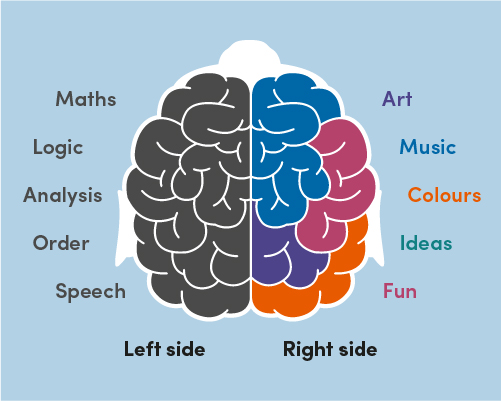
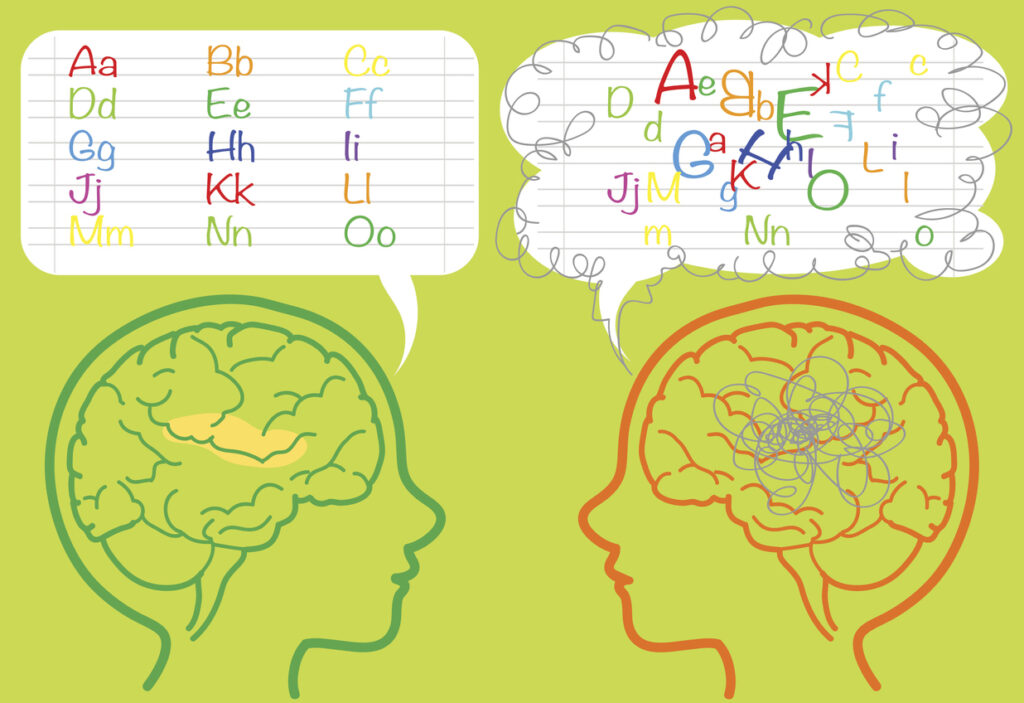
Dyslexia is developed through a difference in how a child's brain processes information/language. Studies show that the brain of a child or adult with dyslexia reads from a different part than that of people without the condition. The brain doesn’t work efficiently during reading, making the tasks challenging, slow, and tiresome.
Children begin learning through phonemic or sounds which they gradually connect to alphabetic letters (phonics). With time, they learn to connect the sounds to form words, which they can recognize and create sentences. For a typical child or learner, they can easily remember what they learnt previously and keep it in mind. However, a child with Dyslexia has issues with phonemic awareness and phonics. They struggle in learning and memorizing the materials.
What is known or believed about dyslexia?
The commonly known belief about the Dyslexia condition is that the individual reads or sees letters in reverse. Example “bat” appears as “tab.” Yes, this is evident with Dyslexic children, but it’s also normal for children without the disability. Note, children with the condition have major issues with language (phonemic awareness, phonic and word recognition).
Different Types of Dyslexia
The International Dyslexia Association describes dyslexia as a learning difference that affects reading and language processing. Dyslexia is grouped into two categories:
- Developmental Dyslexia
This is a biological Dyslexia where one inherit from their family line.
- Acquired Dyslexia
Acquired Dyslexia happens if one gets injuries or fatal illnesses that affect brain functionality.
Dyslexia grouping
Based on the symptoms, dyslexia can be grouped into the following sections:
- Phonological Dyslexia: Individuals within this phonological category have issues with sounding out new words or sounds.
- Surface Dyslexia: Children in this category cant recognized whole words or long words.
- Mixed/Double deficit Dyslexia: the combined deficit has kids with both difficulties
Signs of Dyslexia
Dyslexia is more noticeable in preschool and elementary years. Here, children are learning how to speak, read, and write. Though the kids are young and might struggle with the activities. A dyslexic child will show difficulty in:
- They have a problem talking.
- Issues in pronouncing long words.
- The child has issues with rhyming words.
- Have problems learning alphabet sequences, shapes, colors, and days of the week.
- The child has difficulty in learning number, sound, and letter name.
- Taking time to learn their name (reading and writing).
- Have hard time with phonemes, example c-a-t cat.
- The kid can sound simple words.
- Confusion in letters (B and D or P and Q)
- Issues with handwriting and coordination.
- Problems with spelling, reading, and writing for older kids, teens, and adults.
- Read slowly
- Have difficulty learning a foreign language.
- Poor concentration, especially in language-related lessons.
- The kids keep forgetting some words.
- Their written work is poor, but their oral or speech is perfect.
- Poor pencil grip.
- The handwriting has many incorrect details.
- Difficulty in reading continuously or blending words together.
- Unusual word pronunciation.
- Have poor comprehension.
- They have poor expression when reading since they can’t connect what is written/reading and the right feeling it provides.
- Missing out on words or adding more words.
- They don’t recognize a familiar word. For example, they can read a word and in few minutes find same word but won’t recognize it again.
Some children with dyslexia may also have ADHD, which can affect attention and learning in different ways.
Numeracy and time
- Children with Dyslexia tend to confuse place values.
- Confuses symbols like +, -, and x
- Some struggle with sequence, for example, days of the week.
- Most have difficulty understanding time. Thus, being poor time keepers.
- Some are poor organizers.
- The concept of today, yesterday, and tomorrow
- They have difficulty in remembering their date of birth or seasons/months.
Skills and behavior
- Poor eye-hand coordination.
- Some have difficulty in following or remembering routine.
- A confusion in directions like East, West, North, and South, or left and right.
- They are unpredictable; some days they perform well in some of the activities they are poor while sometimes they totally forget.
- They are easy to distract.
- Always tired or withdrawn in language activities or anything that requires concentration
- They can be the classroom clown.
Note, Dyslexia is not a particular person’s disability. It can happen to anyone regardless of their intellectual levels and background. Parents/guardians need to understand their children, guide and love them. (From experience, kids get discouraged if they don’t perform like their peers) It takes great effort to convince a child with this condition that they are unique in other things. As they grow, they need guidance to avoid dropping out of school or losing themselves in depression.
Is Dyslexia Gifted
The contradicting part of Dyslexia is that the same children or individuals are bright and gifted. They major in various activities such as:
- Computer science
- Design
- Electronics
- Math
- Music
- Physics
- Business
- Sports
- Arts
- Mechanics
How to Diagnose Dyslexia in Children

We can identify the condition through evaluation by either a specialist, pediatrician, or psychologist. The qualified personnel can be found in schools, health centers, or Special Needs Units set either by the government or legal bodies. Teachers and caregivers can also look out for children with learning difficulties. Once they identify the issue, they need to inform the parent or guardian for further discussion and help. This will lead to a diagnostic assessment to help determine the level and what can be done.
Testing steps
- Sound decoding: how can the child sound out unfamiliar sounds and words?
- Oral skills: if the child/teen/adult can understand spoken language.
- Fluency in reading and comprehension level: How fluent can one read, and how accurate are the words? Also, does the child understand what they are reading?
- Spelling exercise: Can the child form words and remember them later?
- Vocabulary and word recognition: If the kid can identify familiar words or letters. How many words can they use or have knowledge about?
Dyslexia Severity Levels
After ever assessment, the health specialist will give a report based on the finding and performance of your candidate. Note, every child is unique and hold greatness according to their level. It’s all a matter of embracing and working towards perfection. Use the child’s strengths to elevate them to the best.
- Mild Dyslexia: Here, he/she the reading, writing, and language difficulties, are there but not profound. They can be managed given more time and support.
- Moderate: The moderate level means more noticeable. The child requires more specialized help than the mild level.
- Severe: the signs are more profound and might require greater intervention. The kid may be having a combination or multiple symptoms.
Dyslexia Management
- Early intervention
With the correct assessment, most children are able to integrate with normal or regular learning. This helps boost their confidence as they can interact with their normal peers but still get help. A special trained teacher is able to teach them on the weak points and also help with the strong areas. Note, beside academic challenges, self-esteem is greatly affected. The specialist who will undertake the teaching responsibility needs to build the esteem alongside tutoring.
- Personalized or individualized education
Kids with this condition are entitled to Individualized Education Plans IEPs. They get supportive technology, extra time for exams, assignments, and also simpler or alternative exams.
- Multi-sensory approaches
This type of approach is designed to help users read through visuals and auditory systems. The digital system, such as the Wilson Reading system, allows kids to learn spelling, writing, and reading.
- Advocacy
Believe me, you, this one you have to brace yourself. Being a parent of a dyslexic child, I visit every school and event to ensure they treat him right. This helps build his esteem and also spreads the knowledge of the disability. At first, it seems like you are just a defensive parent who doesn’t want her child to be punished for lack of reading. However, they eventually understand and try to do their level best.
Am not guaranteeing you that you will fit everywhere, for my case, we have changed schools several times. Let your child know he/she is strong, give them hope that they will make it regardless of the hardship. Also, make sure to tell them you are visiting their school, as it builds their self-esteem knowing you have their back. It has always worked with my son. But just know there will be hard days, you will cry, especially when they get bullied, and you were not there to help, or they were discriminated in class.
- Always reward and focus on strengths.
First thing is identifying the best areas and working towards that. If they love sports, always support and provide the necessary items. Encourage the child to practice and perform to their best. Nurture their talents and help them go places with their abilities.
Note: Learning differences should be carefully assessed because some children may also have developmental conditions such as autism spectrum disorder.
Conclusion
My conclusion might sound personal, but dear parent, be an advocate for your child. Even if it means visiting the teachers a thousand times and seeking help everywhere. I have had multiple meetings with my son’s teachers. Sometimes it doesn’t go as planned, and we have had to change schools. It’s okay, speak let your child know they are the best and will make it. School is already tiring for them, don’t add to the burden. Be supportive, someday we will find the light.
Parents seeking information about childhood disorders and developmental conditions may also find our child health and medical conditions guide helpful. The guide provides an overview of common medical, neurological, and developmental conditions affecting children and links to additional resources for families.
Gladys Njeri Ndungu is a dedicated educator and the founder of Healthy Chic Gazette, a global resource for parenting and kid wellness. With over 10 years of experience since 2012, Gladys is a qualified ECDE teacher with specialized certifications in Special Needs, Child Ministry, and Psychology.
She founded this platform to provide a safe, empathetic space for families navigating everything from Special needs care, gentle sleep techniques and feeding to teenager transitions and home safety. By combining her deep background in child development with modern IT and AI expertise, Gladys helps parents bridge the gap between traditional wisdom and future-ready strategies. Her mission is simple: to empower every parent to raise healthy, well-rounded children with confidence and heart.