Table of Contents
Creating a safe home environment is one of the most important responsibilities parents and caregivers face. Children are naturally curious and adventurous, which helps them learn and grow. However, curiosity also exposes them to potential hazards inside and outside the home. Establishing strong home and child safety practices protects children while allowing them to explore their surroundings confidently.
Child safety involves more than installing safety devices. It includes thoughtful home design, emergency preparedness, and teaching children how to recognize and respond to risks. A well-planned safety strategy helps reduce accidents, supports emotional security, and allows families to create environments where children thrive.
This comprehensive guide explores home safety planning, emergency preparation, childproof home design, and daily safety habits that help families protect children at every developmental stage.
Understanding Why Child Safety at Home Matters

Homes should be places of comfort and security, but many childhood injuries occur within the household. Kitchens, bathrooms, staircases, electrical outlets, and household chemicals can all pose serious risks to children if safety precautions are not in place.
Children develop new skills rapidly, and each stage introduces different safety concerns. Infants require protection from choking hazards and unsafe sleeping environments. Toddlers need safeguards against falls, burns, and sharp objects. Older children benefit from learning emergency awareness and personal safety skills.
When families understand common household dangers, they can take proactive steps to reduce risks and create safe living spaces. Child safety planning supports physical protection while also helping children develop independence safely.
Designing Child-Friendly Living Spaces
Children develop new skills rapidly, and each stage introduces different safety concerns. Infants require protection from choking hazards and unsafe sleeping environments. Toddlers need safeguards against falls, burns, and sharp objects. Older children benefit from learning emergency awareness and personal safety skills. When families understand common household dangers, they can take proactive steps to reduce risks and create safe living spaces. Child safety planning supports physical protection while also helping children develop independence safely. Creating a child-friendly home begins with thoughtful design choices that minimize hazards while supporting development and play. Families can also explore home safety planning and injury prevention tips provided by the Centers for Disease Control and Prevention.
Safe Furniture Placement and Layout
Furniture should be arranged to prevent tipping and allow safe movement throughout the home. Heavy furniture such as bookshelves and cabinets should be secured to walls to prevent accidents. Soft edges and protective corner guards can help reduce injuries from falls or collisions.
Clear walkways allow children to move safely while reducing tripping hazards. Organizing furniture thoughtfully also helps caregivers supervise children more easily, which supports injury prevention.
Creating Safe Play Areas
Designating specific play areas helps contain toys and keeps potentially dangerous objects out of children’s reach. Safe play zones should include age-appropriate toys, soft flooring, and sufficient lighting. Play areas encourage learning and physical activity while maintaining safety boundaries.
Outdoor play areas also require attention. Fencing, secure gates, and proper playground surfaces help reduce injury risks and allow children to play confidently. Parents can strengthen safety planning by creating designated play zones using principles explained in our guide on safe home design and secure play areas.
Childproofing Key Areas of the Home
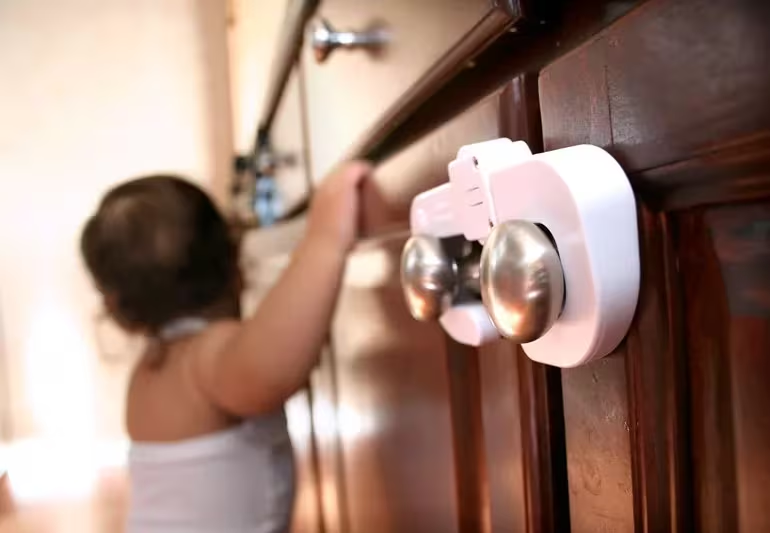
Childproofing helps eliminate hazards that may not be obvious to children but can cause serious injuries.
Kitchen Safety
The kitchen is one of the most dangerous areas for children due to hot surfaces, sharp utensils, and cleaning chemicals. Parents can improve kitchen safety by:
- Keeping hot appliances and cookware out of reach
- Installing stove guards and safety locks
- Storing sharp objects securely
- Keeping cleaning products locked away
Teaching children basic kitchen safety rules also supports long-term injury prevention.
Bathroom Safety
Bathrooms present drowning, poisoning, and slip hazards. Simple precautions significantly reduce risks:
- Installing non-slip bath mats
- Keeping medications and cleaning products secured
- Supervising children during bath time
- Setting water heater temperatures to prevent burns
Water safety is particularly important because young children can drown quickly in small amounts of water.
Bedroom and Sleep Safety
Children’s bedrooms should promote both comfort and safety. Safe sleeping environments reduce risks associated with suffocation and injury.
Safety recommendations include:
- Using age-appropriate cribs or beds
- Removing loose bedding and choking hazards
- Keeping cords and window blind strings out of reach
- Ensuring furniture is stable and properly secured
A calm and secure sleep environment also supports healthy emotional development and better sleep patterns.
Families designing or renovating homes should explore how structural planning improves safety in our article about childproof architecture for safer homes.
Fire Prevention and Emergency Preparedness
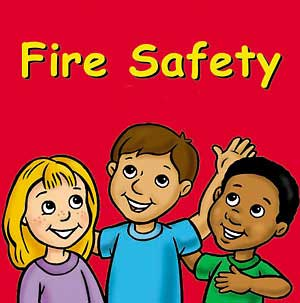
Fire safety planning is essential in every home with children. Families should establish prevention strategies while teaching children how to respond during emergencies.
Installing Safety Equipment
Smoke detectors and carbon monoxide alarms are essential safety tools. Testing alarms regularly and replacing batteries ensures they function properly. Fire extinguishers should be easily accessible in kitchens and near high-risk areas.
Using fire-resistant building materials during home construction or renovation can provide additional protection and reduce fire spread risks. Parents can reduce fire risks by learning about protective construction choices explained in our article covering fire resistant building materials for family homes.
Parents can also review official fire prevention and home emergency recommendations provided by the U.S. Fire Administration for additional family safety guidance.
Creating Emergency Escape Plans
Emergency escape planning helps families respond quickly during fires or other emergencies. Families should:
- Identify multiple exit routes
- Practice emergency drills regularly
- Designate safe meeting points outside the home
- Teach children how to call emergency services
Practicing emergency procedures helps children remain calm and improves response times during dangerous situations. Every household should develop emergency preparedness strategies, including planning safe exits using guidance from our article on planning emergency escape routes for parents.
Teaching Children Personal Safety Awareness
Safety education helps children recognize potential dangers and make safe choices independently. Parents play a crucial role in teaching safety skills through conversations and daily practice.
Stranger Safety and Personal Boundaries
Children should learn how to recognize unsafe situations and understand personal boundaries. Teaching children to trust their instincts and communicate concerns encourages confidence and safety awareness.
Role-playing safety scenarios helps children understand how to respond if they feel uncomfortable or threatened. Encouraging open communication ensures children feel safe reporting concerns.
Digital Safety and Online Awareness
Modern child safety includes protecting children in digital environments. Parents can promote safe online behavior by:
- Monitoring internet usage
- Teaching children about privacy protection
- Setting screen time boundaries
- Encouraging responsible digital communication
Digital safety education helps children develop healthy online habits and protects them from potential cyber risks.
Safe Storage of Household Hazards
Proper storage of hazardous items is essential for preventing accidental poisoning or injury.
Medications and Cleaning Products
Household chemicals, medications, and toxic substances should always be stored in locked cabinets or containers. Using child-resistant packaging provides an additional safety layer. Parents should also avoid transferring chemicals into unmarked containers, which can increase poisoning risks. Preventive healthcare plays a vital role in child safety, and parents can follow expert recommendations found in our pediatric healthcare tips for parents guide.
Small Objects and Choking Hazards
Young children frequently explore objects by placing them in their mouths. Families should regularly inspect floors and play areas for small objects such as coins, batteries, or toy parts that may cause choking. Choosing age-appropriate toys and supervising playtime reduces choking hazards significantly.
Outdoor Safety and Environmental Protection
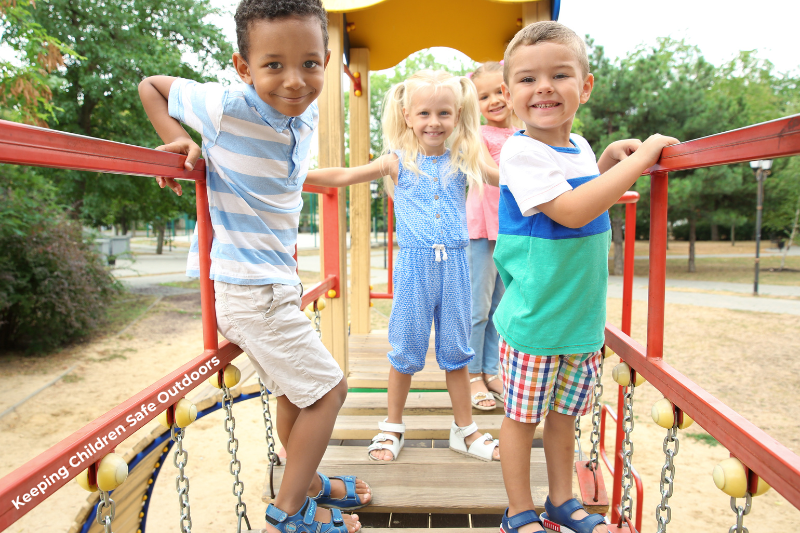
Outdoor play supports physical and emotional development, but it also introduces safety risks that require planning and supervision.
Playground Safety
Safe playgrounds include stable equipment, proper protective surfaces, and adult supervision. Parents should inspect playground equipment regularly for damage or loose parts.
Teaching children safe play behaviors, such as waiting their turn and using equipment properly, helps prevent injuries.
Sun and Weather Safety
Children are sensitive to environmental conditions. Parents can promote outdoor safety by:
- Using protective clothing and sunscreen
- Ensuring children stay hydrated
- Monitoring weather conditions
- Providing shaded play areas
These precautions protect children from sunburn, dehydration, and heat-related illnesses.
Building Safe Routines and Household Safety Habits
Daily routines reinforce safety behaviors and help children develop responsibility.
Teaching Safety through Routine
Children learn safety habits through consistent routines such as:
- Cleaning up toys after play
- Following kitchen and bathroom rules
- Practicing safe stair use
- Wearing protective gear during physical activities
Consistent safety habits reduce accidents and help children understand personal responsibility.
Encouraging Open Communication about Safety
Children feel safer when they can discuss concerns openly with caregivers. Encouraging questions and listening carefully to children’s worries strengthens trust and safety awareness. Parents who model safe behavior also teach children how to approach risk responsibly.
Balancing Safety and Child Independence
Safety planning should not limit children’s natural curiosity and independence. Instead, it should create environments where children can explore safely.
Parents can support independence by gradually introducing safety responsibilities as children grow. Teaching children how to identify hazards and make safe choices helps them develop confidence and problem-solving skills. Encouraging supervised exploration allows children to learn through experience while maintaining protective boundaries.
Supporting Age-Specific Safety Planning
Child safety needs change as children grow and gain new physical and cognitive abilities. Infants require constant supervision because they rely entirely on caregivers for protection. At this stage, safety planning focuses on safe sleep environments, choking hazard prevention, and protecting babies from falls or unsafe surfaces. Parents may need to install crib safety features, monitor feeding equipment, and ensure that sleeping spaces meet recommended safety standards.
As children transition into toddlerhood, safety concerns expand significantly because toddlers begin walking, climbing, and exploring their surroundings independently. Parents often need to introduce stair gates, cabinet locks, and outlet covers to prevent accidents. Toddlers also develop curiosity about objects, which increases the risk of ingesting small or hazardous items. Regularly reassessing home safety helps families adapt to these rapid developmental changes.
For preschool and school-age children, safety planning shifts toward teaching awareness and responsibility. Children can begin learning emergency contact information, basic road safety rules, and safe interaction with household tools. Encouraging children to participate in safety routines helps strengthen their understanding of risk and builds long-term protective habits.
Seasonal Safety Considerations for Families
Child safety planning should also include seasonal adjustments because environmental risks change throughout the year. During warmer months, families may spend more time outdoors, increasing exposure to sunburn, insect bites, and dehydration. Parents can improve seasonal safety by providing protective clothing, using insect repellent when appropriate, and ensuring children drink enough fluids during outdoor activities. Outdoor safety planning should also include injury prevention and first aid, especially for younger children, as explained in our guide on treating insect bites on a baby. Parents can review additional insect bite prevention tips and treatment recommendations from the Mayo Clinic child health safety resources.
Cold weather introduces different safety concerns, including frostbite, respiratory illnesses, and heating hazards. Families using heaters or fireplaces should ensure proper ventilation and safe equipment use to prevent carbon monoxide exposure. Parents can also encourage children to wear protective clothing layers to reduce cold-related injuries. Maintaining child wellness at home includes understanding safe illness care using trusted tips from our article about home remedies for kids’ common cold.
Holiday seasons may also introduce temporary hazards such as decorations, candles, or unfamiliar visitors. Families can maintain safety by supervising children around decorations, securing breakable items, and teaching children safe behavior during gatherings. Seasonal safety awareness helps families prevent injuries and adapt to changing environments.
Creating Family Safety Checklists and Emergency Contact Systems
Family safety checklists help ensure that protective measures remain consistent and updated. Parents can develop simple checklists that include verifying safety locks, checking smoke detector batteries, inspecting play areas, and reviewing emergency contact information. Regularly reviewing safety checklists helps families identify risks before accidents occur.
Emergency contact systems are also important safety tools. Families can create emergency contact lists that include parents, trusted relatives, pediatricians, and local emergency services. Keeping contact information accessible in multiple locations, including digital devices and visible home areas, allows quick communication during emergencies.
Older children can benefit from learning how to use emergency contacts responsibly. Teaching children when and how to call emergency services improves preparedness and builds confidence. Practicing emergency communication scenarios helps children respond effectively if unexpected situations arise. Choosing a safe family residence requires careful evaluation, and our kid safety checklist for choosing a family home helps parents identify important safety features.
Teaching Children Risk Awareness through Every day Experiences
Children learn safety awareness best through practical experiences and guided discussions. Parents can use daily routines to introduce safety lessons, such as explaining why kitchen appliances are hot or demonstrating safe stair usage. These small educational moments help children understand potential hazards without creating fear.
Allowing children to participate in supervised safety tasks also supports learning. For example, children can help clean up toys to prevent tripping hazards or assist in organizing play areas safely. Encouraging children to identify unsafe situations during family discussions strengthens their problem-solving skills and encourages responsibility. Parents can learn more about childhood injury prevention and home safety recommendations from the American Academy of Pediatrics safety resources.
Parents who model safe behavior play a powerful role in shaping children’s safety awareness. When children observe caregivers following safety routines, such as wearing seatbelts or storing hazardous materials properly, they are more likely to adopt similar behaviors. Consistent modeling helps children internalize safety habits naturally. Teaching children how to safely evacuate during emergencies becomes easier when families follow the right recommendations as outlined in our guide to kid-friendly escape routes for children.
The Emotional Benefits of a Safe Home Environment
A safe home environment supports not only physical protection but also emotional stability. Children who feel safe at home often develop stronger confidence and independence. Safety routines provide structure, which helps children understand expectations and reduces anxiety related to unfamiliar risks.
Secure environments also strengthen trust between parents and children. When caregivers consistently respond to safety concerns, children learn that they can rely on adult support during challenging situations. This sense of trust encourages children to communicate openly about fears or unsafe experiences.
Promoting emotional security through safety planning helps children explore their surroundings more confidently. When children feel protected, they are more willing to engage in learning, social interaction, and creative play. Emotional stability is an important component of overall child development and supports long-term well-being.
Encouraging Community and Neighborhood Safety Awareness
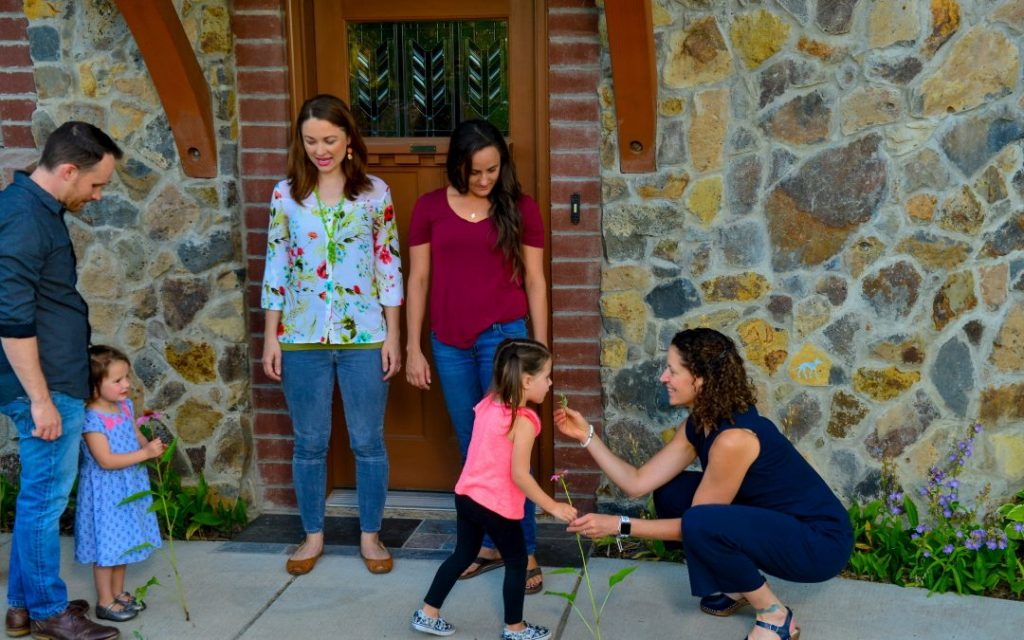
Child safety extends beyond the home and includes community environments where children play and interact. Parents can improve neighborhood safety by familiarizing children with trusted neighbors, safe walking routes, and community safety rules. Teaching children to recognize safe adults and safe public spaces supports independence while maintaining protective awareness.
Families can also participate in community safety programs that promote child injury prevention and emergency preparedness. Community involvement strengthens safety networks and provides additional resources for families. When neighborhoods prioritize child safety, children benefit from supportive environments that reinforce protective habits.
Encouraging children to follow public safety guidelines, such as using pedestrian crossings and staying within designated play areas, helps reduce injury risks outside the home. Community safety education complements household safety routines and strengthens children’s ability to navigate various environments responsibly.
Conclusion
Home and child safety requires thoughtful planning, consistent supervision, and ongoing education. By childproofing living spaces, teaching safety awareness, and preparing for emergencies, families can significantly reduce injury risks and create nurturing environments.
A safe home supports healthy development, emotional security, and confident exploration. When families prioritize safety while encouraging independence, children gain the skills they need to navigate their surroundings responsibly. Establishing strong safety habits today helps protect children throughout their growth journey and supports lifelong well-being.