Table of Contents
Naturally babies are born with different adorable reflex like suckling, grasping, stepping and more. It’s always amazing watching the self-made movements and the beautiful facial expressions.
With the multiple incredible reflex comes several odd actions which are pretty confusing especially for first-time mums. Though mothering instincts are always right. Sometimes it is very hard for a mother/guardian to discover if what the baby is doing is off or part of their development.
Hiccups “yes” as many parents can relate is quite annoying and seems to hurt the baby. The movements are intense considering the tiny body. Actually it’s always traumatic for parents, a situation that leaves one looking for different options to stop the hiccups.
A hiccup is an action that continues even after the child is born and is common in babies. It can sound worrying and stressful but is completely harmless with minor disturbance. Newborn hiccups are pretty common and are part of a baby's growth and development.
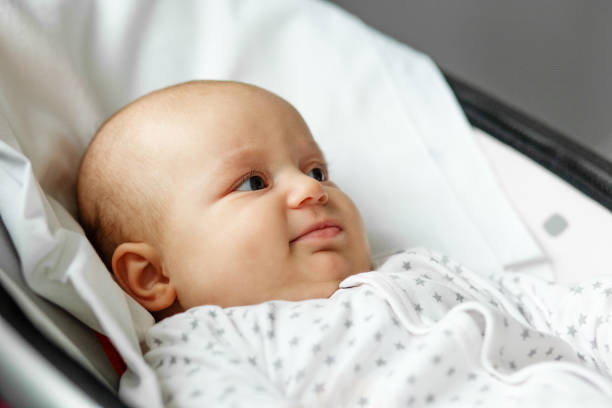
Most babies have hiccups, mostly in their first year of birth, commonly caused by feeding. If hiccups cause distress or other symptoms to the baby, it is best to consult a doctor, especially when the baby is over one year of age.
Confusion in the Parenting journey
Regardless of number of kids, the parenting journey is ever new with each child. Its nots easy especially when simple things occur and feel like we can’t handle the situation. Most mother can relate to the newborn hiccups after breastfeeding session. It’s quite distressing as they can’t take more to ease the hiccups. However, the hiccups disappear natural or with few mothering techniques.
Why do newborn babies get hiccups?
Getting hiccups for babies is normal; this starts when the baby is six months into the mother's pregnancy. This is when the baby's lungs begin developing, and the mother will notice regular abdominal contraction.
How long do new baby's hiccups last?
New babies can have hiccups multiple times a day. This will last for ten minutes or longer, depending on the baby. The most worrying hiccup sessions are when your newborn hiccups after breastfeeding. The sessions aren’t long but one can imagine the discomfort as they are already full.
Does it hurt the baby when they hiccup?
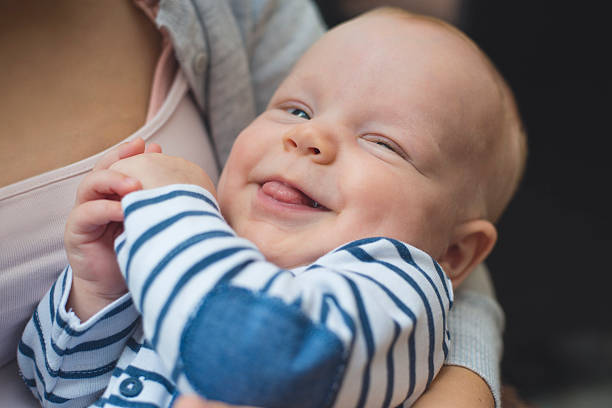
When the baby hiccups, the whole body shakes, and the hiccup can be quite loud. They feel no pain, but the effect makes them uncomfortable.
Causes of hiccups in newborn kids.
Newborn babies get hiccups from time to time. Hiccups occur when the baby’s diaphragm contracts and forces air through the closed vocal cords. The stomach expands and pushes the diaphragm, causing contractions and hiccups.
The causes occur when;
- The baby swallows too much air when being breastfed
- The infant eats too quickly
- Being overfed
- The sudden temperature change in the baby's stomach, i.e., moving from cold to warm meals.
- Certain medications the baby may be using
- A child may suffer from abdominal surgery
What to avoid when the baby gets hiccups
Here are a few tips that should be avoided when your baby gets hiccups. They include;
- The mother/guardian should not put a wet cloth on the baby's forehead.
- Never scare the baby to stop hiccups.
- Don't hold the baby's breathe when hiccups occur; this is dangerous.
- Don’t pull the baby’s tongue or press on their forehead.
- Never make them sip water while facing upside down
How to stop newborn hiccups after breastfeeding.
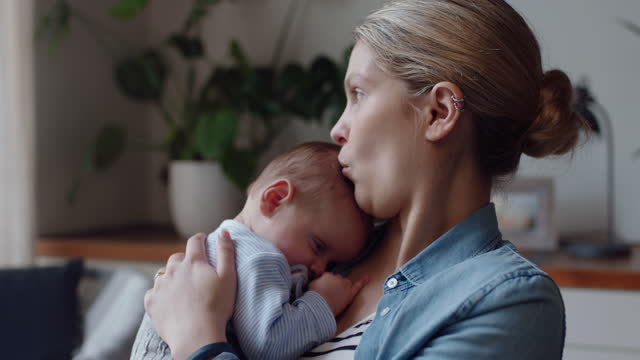
If a mother notices the baby gets hiccups more frequently after breastfeeding, one can try the following strategies:
- Have a burp break.
When the baby's stomach fills with air, the baby will be uncomfortable breathing. Taking a break from breastfeeding to burp the baby may reduce the amount of air in the stomach by relieving the pressure inside.
- Let them stop on their own
Occasionally, if the baby's hiccups are not bothering the baby much, the mother can just let them stop on their own in five to ten minutes.
- Offer a pacifier
When the baby sucks the pacifier, this will soothe the baby and help to relax the diaphragm and stop hiccupping.
- Feeding them gripe water
Feeding the child with gripe water, a mixture of herbs and water was traditionally used to treat colic and other stomach problems.
Herbs used to make gripe water include:
- Cinnamon
- Ginger
- Fennel
- Chamomile
- Rubbing the baby’s back
Rubbing the baby’s back in a circular motion helps release excess air and stops the diaphragm contraction that causes hiccups. This assists them in relaxing and stops the hiccups.
- Change your baby's position.
It is good to hold your baby upright instead of laid down position. This prevents the air from entering the stomach too quickly. Even if the hiccup will not always stop, changing the position may help.
- Give the baby time after breastfeeding.
Allow the baby to have time 20 to 30 minutes after breastfeeding. This will allow the baby to digest properly and pass any excess air.
- Find a calm and quiet space.
Finding a better and more comfortable place to focus on the baby is very important when breastfeeding. This will allow the baby to pick up on your energy and increase their interest in the feeding.
How to prevent hiccups in newborn babies
- It is good to feed the baby frequently in small amounts
- Let the baby sit upright for half an hour after every meal
- A parent should ensure that the baby's mouth covers the whole nipple
- Feed the baby before they become very hungry to keep them peaceful
When should I see a doctor?
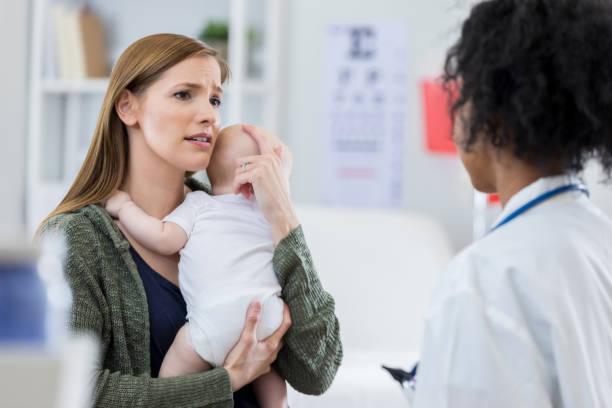
Hiccups vary differently with babies; sometimes, they may be scary to the parent even after following the procedures needed to stop them.
Visit the doctor if;
- The baby’s hiccups have not settled within five to ten minutes (after repeated sessions).
- If the hiccups affect their sleep or behavior
- A parent notices pain in the baby when hiccups occur
- The baby may experience digestive issues
Managing feeding-related infant behaviors is part of this full baby care, feeding, and sleep guide for new parents.

Gladys Njeri Ndungu is a dedicated educator and the founder of Healthy Chic Gazette, a global resource for parenting and kid wellness. With over 10 years of experience since 2012, Gladys is a qualified ECDE teacher with specialized certifications in Special Needs, Child Ministry, and Psychology.
She founded this platform to provide a safe, empathetic space for families navigating everything from Special needs care, gentle sleep techniques and feeding to teenager transitions and home safety. By combining her deep background in child development with modern IT and AI expertise, Gladys helps parents bridge the gap between traditional wisdom and future-ready strategies. Her mission is simple: to empower every parent to raise healthy, well-rounded children with confidence and heart.