Table of Contents
Toddlerhood is one of the most important stages of child development. Between the ages of one and three, children experience rapid physical growth, cognitive development, emotional changes, and expanding social skills. During this stage, everyday activities, playtime, and learning experiences shape how toddlers think, move, communicate, and relate to others. Parents looking for practical activity ideas can explore guides on toddler learning, social development, and play-based education.
This guide explores toddler growth and development in a simple, practical way—highlighting the role of play, learning activities, and parental support in raising healthy, confident toddlers.
What Is Toddler Growth and Development?
Toddler growth and development refers to the physical, cognitive, emotional, and social changes that occur between ages one and three. During this stage, children rapidly develop language skills, language comprehension, motor coordination, independence, and emotional awareness.
Understanding Toddler Growth and Development
Toddler growth and development refers to the physical, mental, emotional, and social changes that occur as children transition from infancy to early childhood. At this stage, toddlers begin walking, talking, expressing emotions, and showing independence.
Development does not happen in isolation. It is influenced by daily routines, play opportunities, caregiver interactions, and the environment. Supporting toddler development does not require expensive toys or complex programs—intentional play, communication, and nurturing relationships are often enough.
Physical Development in Toddlers
Physical development during the toddler years focuses on building strength, balance, coordination, and motor skills. As toddlers become more mobile, movement-based activities play a crucial role in healthy growth.
Benefits of Outdoor Play for Toddlers
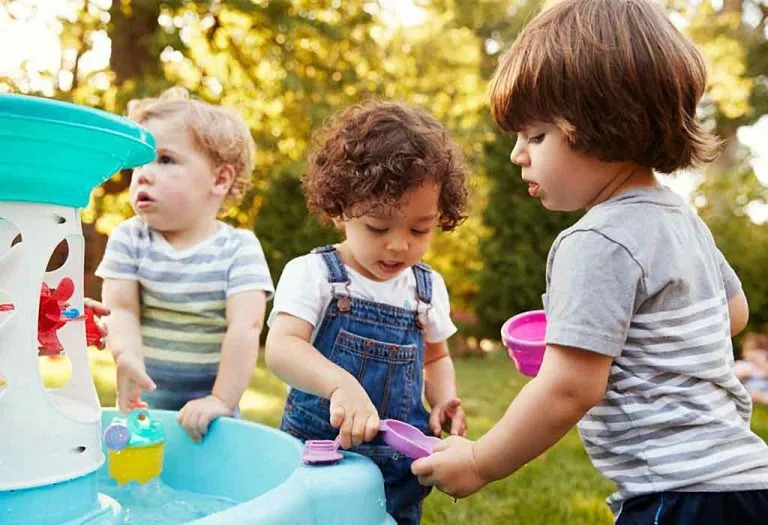
Outdoor play supports both gross and fine motor development in toddlers. Activities such as running, climbing, jumping, and throwing help strengthen muscles and improve coordination. Outdoor experiences play a major role in toddler growth. Parents can explore structured ideas in Benefits of Outdoor Play for Toddlers. The environments also encourage exploration, curiosity, and sensory learning.
Beyond physical benefits, outdoor play helps toddlers release energy, reduce stress, and develop confidence as they master new physical skills. Regular outdoor activity is an essential part of a balanced toddler routine and supports overall well-being.
Cognitive Development and Learning in Toddlers
Cognitive development refers to how toddlers think, learn, remember, and solve problems. During this stage, children begin to understand cause and effect, follow simple instructions, and engage in imaginative play. Learning at this age is most effective when it is play-based, hands-on, and interactive.
Educational Play for Toddlers
Educational play helps toddlers develop early thinking and problem-solving skills without pressure. Simple activities such as sorting shapes, stacking blocks, and pretend play encourage creativity and concentration.
Play-based learning allows toddlers to explore concepts like colors, numbers, and patterns naturally. The goal is not academic achievement but building curiosity and a love for learning.
Literacy Games for Toddlers
Early literacy development begins long before toddlers can read or write. Literacy games introduce language skills through storytelling, songs, rhymes, and picture books.
Reading aloud, naming objects, and encouraging toddlers to point to pictures helps expand vocabulary and communication skills. Educational games help toddlers develop language and cognitive skills. Activities such as storytelling and phonics games are discussed in Literacy Games for Toddlers. These early literacy experiences build a strong foundation for future reading and learning.
Social and Emotional Development in Toddlers
Social and emotional development focuses on how toddlers understand emotions, interact with others, and build relationships. This stage is often marked by big emotions, growing independence, and early social awareness.
Toddlers learn emotional regulation through consistent routines, positive guidance, and opportunities to interact with peers. Interactive play helps toddlers learn sharing, cooperation, and emotional understanding. Parents can introduce structured learning through Toddler Activities That Boost Social Skills.
Toddler Activities That Boost Social Skills
Social skill development occurs through shared activities, playdates, and guided interactions. Simple activities like turn-taking games, role play, and group play teach toddlers cooperation, empathy, and communication. Supporting social development helps toddlers build confidence, manage emotions, and form healthy relationships as they grow.
Play-Based Activities for Overall Child Development
Play is key aspect that helps in toddler learning and holistic development. Through play, toddlers explore their world, express emotions, and practice new skills in a safe environment. Balanced play includes physical movement, creative expression, problem-solving, and social interaction.
Toddler Activities for Child Development
Physical play strengthens coordination and motor skills. Activities like climbing, running, and outdoor exploration support overall growth. Parents looking for structured ideas can explore Toddler Activities for Child Development.
Development-focused activities support multiple areas of growth at once. For example, building blocks improve motor skills and problem-solving, while pretend play enhances creativity and language development.
Intentional play does not mean structured schedules. Allowing toddlers time for free play helps them develop independence, imagination, and resilience.
How Parents Can Support Healthy Toddler Development

Parents and caregivers play a central role in toddler growth and development. Consistent routines, positive reinforcement, and responsive communication create a secure environment for learning.
Simple actions such as talking to toddlers, reading together, encouraging play, and providing emotional support have a lasting impact. Every toddler develops at their own pace, and progress should be celebrated rather than compared. When parents focus on connection, play, and encouragement, toddlers are more likely to thrive physically, emotionally, and socially.
Stages of Toddler Growth and Development
Toddler development occurs in stages, and each stage brings new skills and behaviors. While every child develops at their own pace, understanding these stages helps parents set realistic expectations and provide appropriate support.
Parents should also understand that developmental stages often overlap. A toddler may show advanced language skills but still struggle with emotional regulation or motor coordination. Growth is rarely linear, and temporary regressions can happen during illness, routine changes, or major life transitions. Providing reassurance and consistent support helps toddlers regain confidence while continuing to build new abilities naturally.
Early Toddler Stage (12–18 Months)
During this stage, toddlers begin walking independently, exploring their surroundings, and using basic words. Curiosity is high, and children rely heavily on caregivers for reassurance and guidance. Simple play activities and frequent interaction support both physical and language development.
At this stage, toddlers learn best through repetition and imitation. They often copy sounds, facial expressions, and everyday actions like waving or clapping. Caregivers can support development by demonstrating simple tasks and encouraging safe exploration. Offering praise and positive reinforcement builds confidence and motivates toddlers to keep practicing new physical and communication skills.
Late Toddler Stage (18–36 Months)
As toddlers grow older, their communication skills improve, and they begin expressing preferences and emotions more clearly. This stage often includes increased independence and occasional frustration as toddlers learn boundaries. Play, routine, and patience are essential for healthy emotional and social growth.
During this stage, toddlers begin developing stronger problem-solving abilities and curiosity about cause and effect. They may test limits as they learn independence, which can sometimes appear as stubborn behavior. Clear expectations and gentle guidance help toddlers understand boundaries while maintaining trust. Structured routines and opportunities for independent play further strengthen decision-making skills and emotional maturity.
The Role of Play in Toddler Development
Play goes beyond entertainment as it’s the perfect way how toddlers learn. Through play, children experiment, observe outcomes, and practice new skills in a safe and engaging way. Different types of play contribute to different developmental areas, making balanced play essential during the toddler years.
Play also strengthens parent-child bonding and builds trust. When caregivers participate in playtime, toddlers feel supported and encouraged to explore new activities. Interactive play promotes communication, creativity, and emotional security. Simple games like stacking blocks, singing songs, or pretend play provide meaningful learning experiences without requiring expensive toys or structured programs.
Types of Play That Support Development
Physical play strengthens muscles and coordination, while imaginative play encourages creativity and emotional expression. Sensory play helps toddlers explore textures, sounds, and movement, supporting brain development. Each type of play works together to support whole-child growth.
Rotating toys and introducing new play experiences helps maintain interest and encourages learning. Toddlers benefit from both independent play and guided play with caregivers. Outdoor play, creative activities, and interactive games expose toddlers to different problem-solving situations, helping them develop confidence, adaptability, and curiosity about the world around them.
Language and Communication Development in Toddlers
Language development accelerates rapidly during toddlerhood. Toddlers move from single words to short sentences and begin understanding instructions, questions, and social cues. Frequent communication with caregivers supports vocabulary growth, listening skills, and confidence in expression.
Non-verbal communication is equally important during toddlerhood. Gestures, facial expressions, and body language help toddlers express needs before fully developing verbal skills. Responding to these cues encourages communication and strengthens understanding between caregiver and child. Exposure to songs, storytelling, and interactive conversations further supports speech clarity and listening comprehension.
Encouraging Healthy Language Development
Talking to toddlers throughout the day, reading books together, and responding to their attempts at communication all support language development. Even simple conversations help toddlers feel heard and valued, strengthening emotional bonds.
Limiting passive screen time can significantly improve language development. Toddlers learn language best through direct interaction and real-life conversations. Encouraging toddlers to describe objects, repeat words, and ask simple questions builds vocabulary and confidence. Consistent communication during daily routines such as meals, dressing, and playtime reinforces language learning naturally.
Emotional Development and Self-Regulation
Emotional development helps toddlers recognize feelings, express emotions, and learn coping skills. Tantrums and emotional surges are part of normal kid’s development. Toddlers need guidance, reassurance, and consistency to learn emotional regulation over time.
Toddlers often experience strong emotions because they are still learning how to express feelings appropriately. Emotional development improves when caregivers model calm behavior and offer reassurance during difficult moments. Over time, toddlers begin recognizing emotional cues and responding with empathy, which strengthens their ability to form healthy relationships.
Helping Toddlers Manage Big Emotions
Providing a calm response, naming emotions, and maintaining predictable routines help toddlers feel safe. Over time, these strategies teach children how to manage frustration, excitement, and disappointment in healthy ways.
Creating calming strategies such as quiet spaces, comfort objects, or breathing exercises helps toddlers learn self-soothing techniques. Acknowledging feelings without immediately correcting behavior teaches toddlers that emotions are normal while still reinforcing appropriate actions. Consistency in emotional guidance helps children develop resilience and confidence when facing challenges. Parents can also use positive discipline strategies for toddlers to teach emotional regulation and healthy behavior patterns.
Social Interaction and Early Relationships
Social development during toddlerhood focuses on learning how to interact with others. Toddlers begin observing peers, imitating behavior, and engaging in parallel play. These early interactions lay the foundation for cooperation, empathy, and friendship skills later in childhood.
Early social interaction also helps toddlers learn cooperation and sharing. Observing others teaches children social rules and acceptable behaviors. Exposure to group play activities, childcare settings, or family gatherings provides opportunities to practice communication skills and develop emotional awareness in different social situations.
Supporting Positive Social Experiences
Parents can support social development by encouraging playdates, modeling respectful communication, and gently guiding toddlers during conflicts. Positive early social experiences build confidence and trust.
Parents can strengthen social skills by encouraging turn-taking games and praising positive interactions. Guiding toddlers through disagreements helps them learn conflict resolution and empathy. Modeling respectful communication shows toddlers how to express needs while considering others’ feelings.
Creating a Development-Friendly Home Environment
A safe, engaging home environment supports toddler growth and exploration. Simple adjustments can encourage independence and learning while maintaining safety. Accessible toys, open play areas, and predictable routines help toddlers feel secure and confident as they explore.
Providing a variety of learning materials such as books, puzzles, and creative toys encourages curiosity and independent exploration. A well-organized play space helps toddlers focus and safely experiment with new activities. Encouraging participation in simple household tasks also builds confidence and motor skills.
Balancing Safety and Independence
Childproofing does not mean limiting exploration. When toddlers feel safe, they are more likely to try new activities and develop problem-solving skills. A balanced environment supports both safety and independence.
Allowing toddlers to attempt age-appropriate tasks such as feeding themselves or picking toys encourages independence and builds confidence. Supervised exploration helps children develop risk awareness and decision-making skills while maintaining safety. Gradually increasing independence supports long-term self-reliance and resilience.
Monitoring Progress without Comparison
Every toddler develops at a unique pace. Comparing children can create unnecessary stress for both parents and toddlers. Focusing on progress, strengths, and effort encourages healthy development and confidence.
Tracking developmental milestones through observation and regular pediatric checkups helps parents stay informed without creating pressure. Celebrating small achievements encourages toddlers and reinforces positive learning experiences. Recognizing individual strengths helps parents provide support tailored to their child’s unique development. Parents can track important learning stages using trusted resources like the CDC child development milestone guide.
When to Seek Professional Guidance
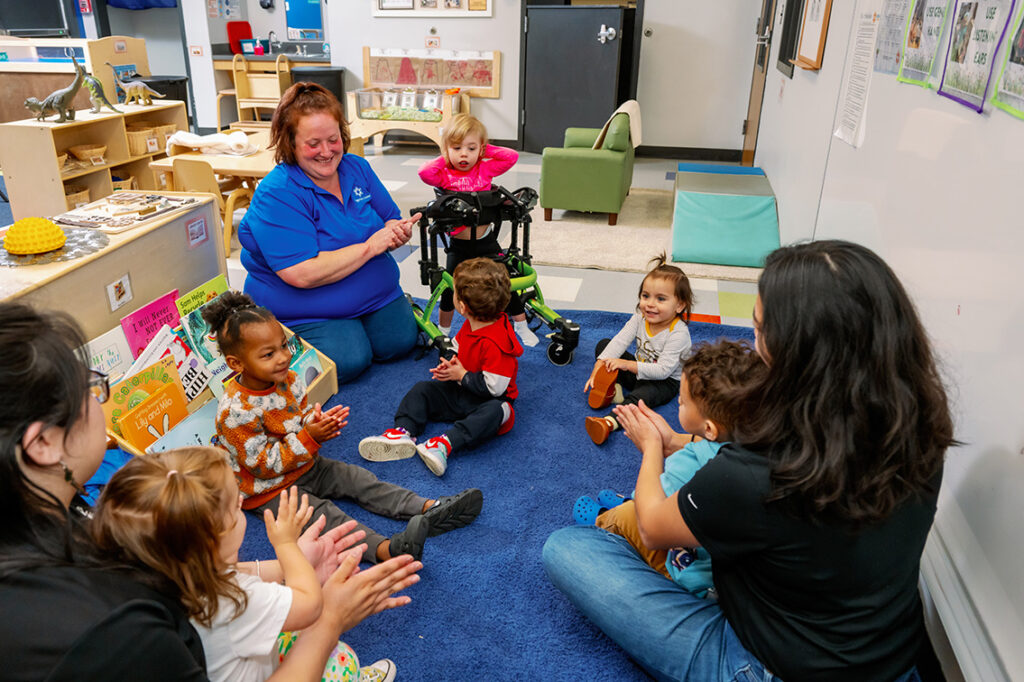
If parents have concerns about delayed development, consulting a pediatrician or child development specialist can provide reassurance and guidance. Early support helps address challenges effectively when needed.
Early consultation with specialists such as speech therapists or child development professionals can provide targeted support when concerns arise. Early intervention programs often improve developmental outcomes and provide parents with practical strategies to support their toddler’s growth effectively. According to guidance from the American Academy of Pediatrics, play supports both physical and emotional development
Parents can explore more toddler development guidance including:
• Benefits of outdoor play for toddlers
• Educational play ideas for early learning
• Literacy games that build language skills
• Activities that strengthen toddler social skills
• Development-focused toddler activities