Table of Contents
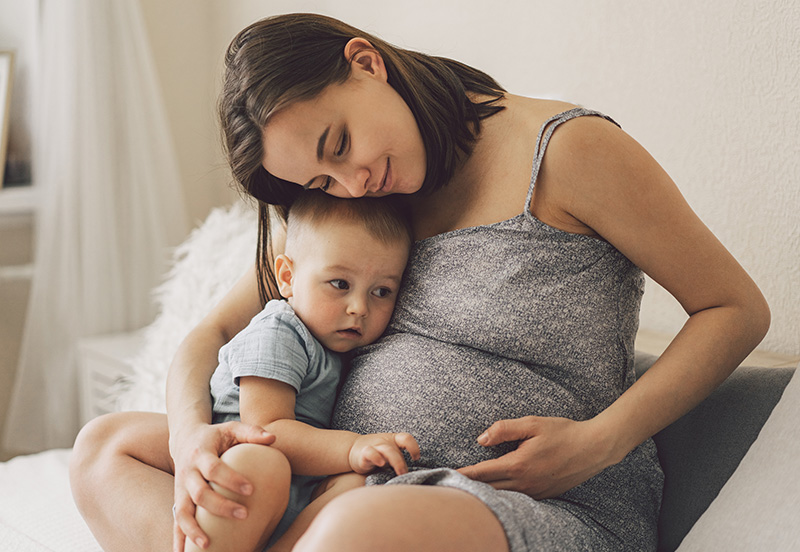
Is Pregnancy during breastfeeding a myth or fact? All the while, it’s believed that breastfeeding may prevent pregnancy. This allows women to let their guard down and breastfeed with ease, without worrying about conceiving. However, biologically, ovulation and conception can take place during breastfeeding.
Logically, it’s confusing and terrifying, especially for first-time moms or if it was unexpected. This raises multiple questions, which can build tension. The major concern is whether it is safe to breastfeed during pregnancy. How long should I breastfeed my older child? Are there risks to my unborn fetus? The string of questions never seems to end.
However, it’s normal and understandable, with clear answers and right directions from your healthcare provider. You can have a safe pregnancy and breastfeed until the appointed weaning time. It’s also possible to reintroduce the older child to breast milk once the new baby is born. This is referred to as tandem nursing. It also possible to introduce combo feed and baby infant milk formulas during the new pregnancy journey.
What to know about pregnancy during breastfeeding
- Exclusive breastfeeding as a temporary birth control: Lactational amenorrhea method LAM
To address the fact or fiction matter on breastfeeding and conceiving. LAM which is an exclusive breastfeeding strategy. Allows breastfeeding women to have a stretch of 6 months without conceiving. It’s a sort of temporary birth control procedure, though it doesn’t work for all individuals.
Statistics show that for 100 women using the exclusive breastfeeding LAM plan, 1 or 2 get pregnant. This gives a rough estimate of 99% who go through successfully. However, it’s no offence getting pregnant during breastfeeding as one can care for both fetus and older child just fine.
Note: LAM works if you exclusively feed the baby on breastmilk and if your periods haven’t returned.
- Oxytocin hormones
During breastfeeding, the body produces a unique hormone known as oxytocin, which allows milk flow, a happy feeling and relaxation. The same hormone gives signals to the brain to prevent ovulation hormone. The lack of ovulation prevents pregnancy for the given time (6 months).
This is only possible if the baby breastfeeds or sucks on the nipples, which stimulates oxytocin. Other milk extraction methods, such as pumping, don’t provide the same effect and will not trigger the brain. In the process, suckling and nipple stimulation helps produce Prolactin hormones, which in turn decrease fertility. This prevents ovulation and menstruation.
Signs and symptoms of pregnancy during breastfeeding
Pregnancy during breastfeeding might present different signs that one can confuse with postpartum changes. To conclude on the pregnancy assumption, it’s wise to have an actual test and clear the doubt. You are likely to experience the following signs and symptoms during the first phase.
- Fatigue

Fatigue will kick in early, especially for breastfeeding mums. The body will feel sluggish and overworked even in small, easy chores. The fatigue is amplified more by having an infant, as caring for another baby is already tiring. Fatigue sets in at the end of the first trimester, but it can happen early for moms’ breastfeeding during the pregnancy period.
- Missed periods
The majority of women don’t experience their periods for the first few months after childbirth. Once back, it means your body is ovulating, and the possibility of conceiving is high. However, missing your period during this phase may indicate pregnancy. Have your doctor run a test or take a home strip test for confirmation.
- Breast tenderness
The tenderness might come with some slight pains. It’s easy to assume the pain is from breastfeeding or a related issue with breast milk. However, the pregnancy symptom will present sensitivity in the nipples and soreness.
- Low milk production
With the multiple body and hormone changes, your milk production will gradually reduce. The baby may remain hungry even after feeding. Due to hormones, the milk taste might change, making the baby refuse to feed.
- Frequent urination
The bladder feels full all the time, and you have a constant urge to urinate.
- Morning sickness
Morning sickness is a combination of nausea and vomiting. It’s a pregnancy-related sign, and if it’s happening while you’re breastfeeding, you need to have a test.
- Thirst
One tends to feel thirsty, especially when breastfeeding, as the baby consumes fluids from your body. The thirst will increase more if you’re pregnant and still breastfeeding, for the body will require more fluids for the unborn baby.
- Hungry
Your hunger levels will increase now that you need more energy to supply milk and also care for the growing baby. Ensure to eat healthy foods regularly to satisfy the cravings and the baby's needs.
- Mood swings
The moody feeling will kick in, and different moods will show through the trimesters. This may be a sign, though not proven until tested for pregnancy.
- Light bleeding/spotting
Spotting is common during pregnancy as the implantation process is taking place.
Is it safe to breastfeed while pregnant?
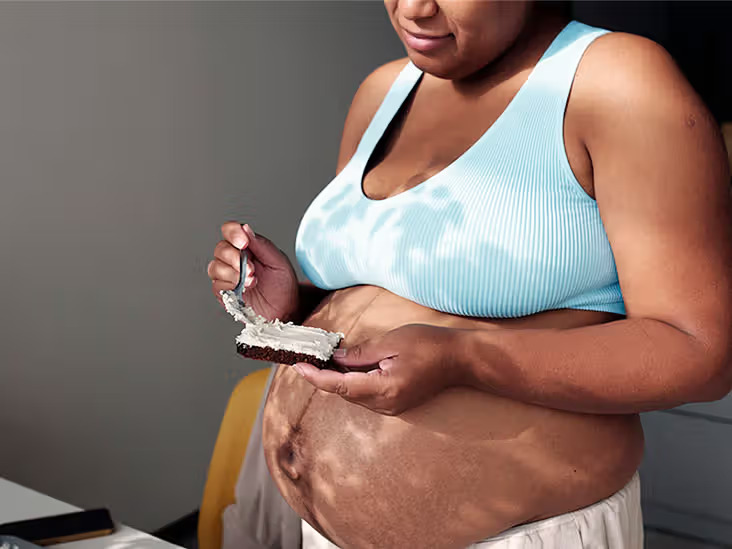
Yes, it’s safe, though the answer can be more profoundly emphasized on a case-by-case bases. To maintain the feeding and caring for the pregnancy, you need more calories and emotional stability. The additional calories will cater for the fetus and the newborn baby. This is possible once you eat more nutritious foods.
It’s advisable to start your clinics early for proper checkup and monitoring. Expect new changes on your body as well as the baby. The milk may have a different taste, making the baby reluctant to feed. With this, implement a weaning strategy that will supplement the breast milk.
When to wean your baby
In some cases, breastfeeding mothers can be forced to wean their baby early if the following happens:
- The older baby refuses to feed.
- If the signs and symptoms are too severe to cope with.
- Suppose you had a previous miscarriage or preterm labour.
- In cases of bleeding.
- High-risk pregnancy
- Excessive cramping and fatigue.
Conclusion
Pregnancy and breastfeeding are beautiful journeys that shouldn’t bring regret. Mums in the double blessing need to set a positive mindset and listen to their bodies regularly. Follow the right guidance and take each day at a time. You can consider the tandem feeding once the newborn comes and enjoy motherhood to its best. Balancing pregnancy and breastfeeding is part of wider infant care covered in this baby care, feeding, and sleep guide for new parents
Greetings! I’ve been reading your website for some time now and finally got the bravery to go ahead and give you a shout out from Kingwood Texas! Just wanted to tell you keep up the great job!
Thank you so much for taking the time to leave such a kind message! It’s wonderful to hear from readers in Kingwood, Texas, and I’m truly grateful for your support and encouragement. I’m glad you’ve been finding the content helpful, and your words really motivate me to keep going. Thank you for being here!