Table of Contents
Breastfeeding during cancer treatment isn’t the nicest thought or practice any mother would love or imagine after giving birth. Our before and after pregnancy journey is always coated with positive thoughts and loads of love. However, life happens, and we get entangled in things we can never imagine.
With all the negativity, there is always hope and winning. Cancer can sound major and threatening. But it’s a journey you and your family can walk through and celebrate the wins. It can be challenging once a baby is involved, and making decisions becomes a matter of discussion.
Breastfeeding during cancer treatment
It’s expected that babies should have exclusive breastfeeding until they are six months old. All mothers are for the idea until something comes up along the timeline. Most mothers go for formulas due to work or travelling. Cancer is never in the mind of breaking the exclusive breastfeeding. Suppose you find yourself in the mix of breastfeeding and cancer treatment. You can make it and conquer the cancer giant, becoming the best mother.
Can I breastfeed my baby during cancer treatment?
The decision to breastfeed your baby during cancer treatment can be challenging. Whether to settle for a yes or a no requires more opinions from specialists and immediate family members. The decision also lies with the type of cancer, cancer stage and the treatment.
In most cases, we think of cancer in women as only breast cancer. However, one can get multiple types of cancers in any part of their body. It’s also possible to have a cancer diagnosis during pregnancy and coping tips are quite broad based on the treatment and health practitioners undertaking the case. With different doctors and MDT teams (multi-disciplinary team), it’s easy to handle the illness and be a parent.
The situation is sporadic, and answers to whether to breastfeed or not should be determined on a case-by-case basis. However, we can learn more to understand what is best:
Different cancer treatments
Here we have a list of multiple cancer treatments that may apply based on the type and stage of the cancer.
- Chemotherapy
- Radiotherapy
- Surgery
- Hormonal therapy
Chemotherapy treatment: Breastfeeding during cancer treatment
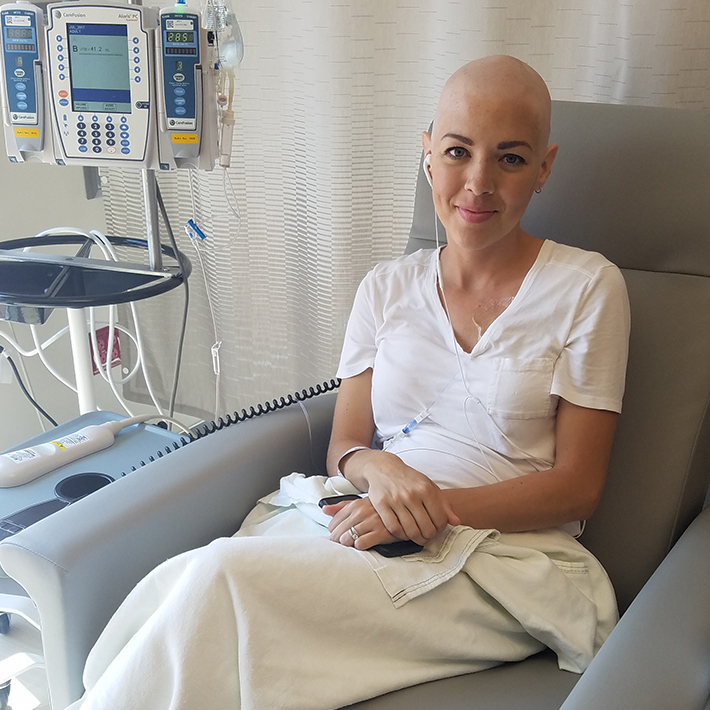
Chemotherapy can be harsh on your body and comes with some side effects. The treatment is effective, but it can affect you and your baby during breastfeeding. Doctors or specialists working on your case will advise based on how fast or slow the cancer cells grow.
For women having a baby after their chemotherapy treatments, breastfeeding can start immediately. For pregnant women, the treatment should be conducted for/after 12-14 weeks of gestation. However, for mothers taking the treatment after birth, breastfeeding should not continue. The drugs can be passed to the baby through suckling. This doesn’t forbid women from expressing the milk, though the baby won’t take it. This allows your body to continue producing milk, which will help you to breastfeed after chemotherapy is done
Immunotherapy and Hormonal therapy
Drugs used for hormonal therapy are quite risky as they can pass to your baby while breastfeeding. During the therapy duration, your doctor will advise on the proper alternatives to feed your child
Radiotherapy
Patients having Radiotherapy can breastfeed if the therapy is happening on other part of the body. However, breastfeeding after breast cancer treatment safety is a whole new challenge, the breast might not produce any milk at all during the sessions the breast might not produce any milk at all during the sessions. Your doctor will guide you on whether to breastfeed or wean the baby until the therapy is done.
Surgery
Surgery is a common form of cancer treatment, with patients having a full recovery and living a cancer-free life. Based on the cancer-affected part, a mother can pump milk and store it before the surgery happens. This will keep the baby on breast milk for the time you’re separated and recovering. After surgery, your health practitioner will advise on when to start breastfeeding again. It’s always wish to view out your concerns about breastfeeding issue before any procedure to have all choices set.
Simple relievers for mothers who cannot breastfeed
Regardless of the zeal to breastfeed, some cancer medications make it hard to achieve the desire. The majority of women experience low milk production, fatigue, pain, or the medication is not conducive for the baby. However, with all obstacles, there is always a way for moms to raise their babies.
Your health team will advise on breastfeeding alternatives, such as baby milk formulas or weaning for babies above six months. Quality formulas will offer full nutrition, which is equivalent to breast milk. Parents can also purchase breast milk from certified milk banks to ensure the infant continues to use breast milk.
Psychological impact
With a great understanding that breastfeeding builds an incredible bond with the baby. It’s okay to allow your infant or toddler to feed and grow on other milk and food alternatives. Lack of breastfeeding doesn’t make you a bad mother, but a hero who wishes her babies the best. You define all odds by providing time and parental dedication, besides fighting cancer and going through the challenging treatments.
Families and friends should always give emotional support to mothers going through active cancer or healing to avoid depression triggers. For the patient or recovering mom, it’s okay to have emotional episodes. Anyone in your position would cry and sob over different issues and feel guilty of not being a good mother, and so on.
However, it’s okay to open up and vent out your feelings and fears. Look for support groups, family members or an online platform a community that understands your pain. There are different types of cancers, and with this, every woman’s journey is different. Do compare your healing process or resilience with other moms. This will only discourage you, making you feel inferior or not making progress. You are an individual winning your own battle and reaping the best after the illness.
Post-cancer healthy practices for breastfeeding mothers
- Working with supportive groups and a lactation consultant
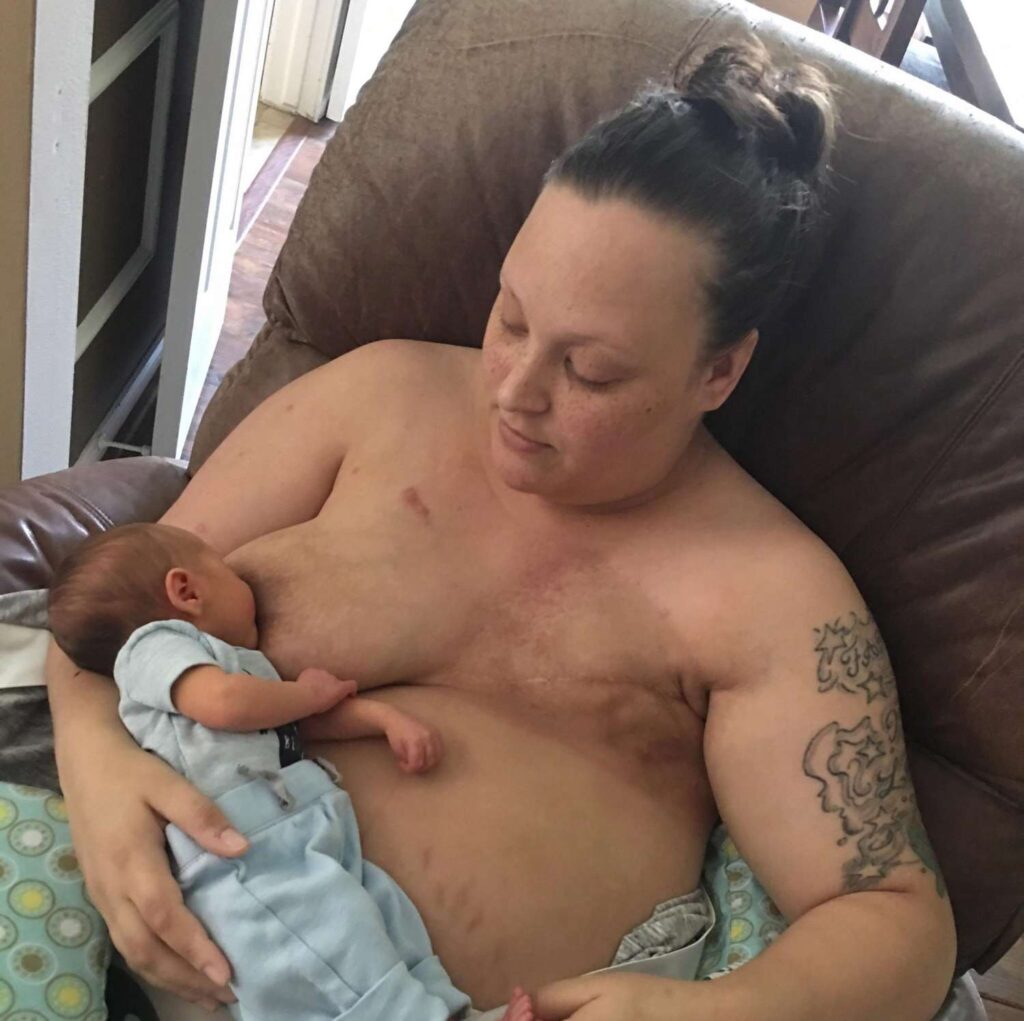
After cancer, this feels new and confusing. To adapt, have a qualified lactation consultant take you through mothering and breastfeeding. You can learn about reviving milk supply, baby formulas, weaning foods, and more. For breast cancer survivors, one can learn about living and breastfeeding on a single side.
- Recovery and patience
With the tough times behind us, it's wise to relax and recover. Your body needs some time to adjust and start all over again without any medication.
- Follow-up health checks
Your doctor will help draft a health check follow-up session. This will assist in knowing how well your body is recovering. Always monitor your body so as not to miss any changes.
Conclusion
Breastfeeding during cancer treatment isn't easy and can never be defined. But it’s a journey for the strong and hopeful. You build resilience and emerge as the best mom and cancer warrior. Regardless of the journey, you are doing just fine. Parents managing complex feeding situations can benefit from this full baby care, feeding, and sleep guide for new parents