
Table of Contents
Mental wellness and emotional development are essential foundations for healthy childhood growth. While physical safety and academic success often receive strong attention, emotional well-being shapes how children think, build relationships, manage stress, and navigate life’s challenges.
Children who develop strong emotional awareness and coping skills are more resilient, confident, and socially adaptable. Parents play a central role in shaping these abilities by creating supportive environments that encourage emotional expression, empathy, and healthy communication.
This comprehensive guide explores how families can support children’s mental wellness, strengthen emotional intelligence, build secure relationships, and nurture resilience from early childhood through adolescence.
Understanding Mental Wellness in Childhood
Mental wellness in children does not simply mean the absence of emotional struggles. It involves the presence of healthy coping mechanisms, positive self-image, emotional stability, and supportive connections.
Children experience a wide range of emotions as they grow. Joy, frustration, fear, excitement, disappointment, and anger are natural parts of development. When children are taught to recognize and regulate these emotions, they gain tools to manage stress and solve problems effectively.
Parents who model emotional awareness and provide consistent reassurance help children build psychological security. Mental wellness thrives in environments where children feel safe expressing feelings without fear of judgment.
The Importance of Emotional Intelligence
Emotional intelligence refers to the ability to recognize, understand, manage, and respond appropriately to emotions. It includes:
- Self-awareness
- Self-regulation
- Empathy
- Social skills
- Motivation
Children with strong emotional intelligence tend to:
- Form healthier friendships
- Resolve conflicts constructively
- Communicate needs effectively
- Adapt more easily to change
- Demonstrate better academic focus
Developing emotional intelligence is not about suppressing difficult emotions. Instead, it involves teaching children how to respond thoughtfully rather than react impulsively.
Building Emotional Awareness from Early Childhood

Emotional development begins in infancy. Babies learn emotional regulation through caregiver responses. When parents consistently respond to crying, discomfort, or distress with warmth and attention, children begin to develop trust and emotional security.
As toddlers grow, labeling emotions becomes important. Parents can say things like:
- “I see that you’re feeling frustrated.”
- “It looks like you’re excited.”
- “Are you feeling disappointed?”
Naming emotions helps children connect feelings to language. Over time, this builds emotional literacy — the foundation of emotional intelligence.
Reading books about feelings, role-playing scenarios, and discussing characters’ emotions in stories also help strengthen awareness. Parents beginning their journey can strengthen emotional awareness skills through guidance shared in our article on boosting emotional intelligence for new parents.
Creating a Safe Emotional Environment at Home
A child’s home environment greatly influences emotional stability. Children need to feel physically safe, but they also need emotional safety.
Emotional safety includes:
- Feeling heard
- Feeling valued
- Being able to express emotions openly
- Knowing mistakes are opportunities to learn
Parents can foster emotional safety by practicing active listening. When children speak about their experiences, parents should listen without immediate correction or criticism.
Validating feelings does not mean approving all behaviors. It means acknowledging emotions before guiding behavior. For example:
“It’s okay to feel angry, but it’s not okay to hit.”
This balance teaches emotional responsibility while maintaining boundaries.
Strengthening Parent-Child Attachment
Secure attachment forms the foundation of lifelong mental wellness. When children trust that caregivers are responsive and consistent, they develop confidence in themselves and in relationships.
Secure attachment develops through:
- Consistent caregiving
- Warm physical affection
- Responsive communication
- Predictable routines
Children with secure attachments tend to demonstrate better stress management and higher self-esteem. As children grow older, attachment continues to evolve. Parents strengthen bonds by maintaining open communication, spending quality time together, and showing interest in children’s activities and concerns.
Emotional Development in Diverse Family Structures
Children thrive in environments where they feel secure, valued, and emotionally understood, regardless of family structure. Modern families may include foster parents, adoptive families, blended households, or multi-generational caregiving arrangements. Emotional stability during these transitions requires thoughtful preparation and open communication.
Families considering long-term caregiving roles can gain clarity and preparation insights from our guide to becoming a foster parent, which discusses emotional readiness and supportive environments. Similarly, blending families requires intentional bonding strategies, as outlined in our article on how to blend an adoptive child with biological children to promote unity and emotional trust within the household.
Teaching Healthy Emotional Regulation
Emotional regulation is the ability to manage strong feelings in healthy ways. Young children often experience emotional overwhelm because their brains are still developing.
Parents can teach regulation skills by:
- Modeling calm breathing
- Encouraging pause before reaction
- Teaching problem-solving steps
- Creating quiet spaces for calming down
Instead of punishing emotional outbursts, parents can guide children toward reflection:
“What happened?”
“What could we do differently next time?” Over time, children internalize these strategies and respond more thoughtfully to stress.
Supporting Children through Anxiety and Stress
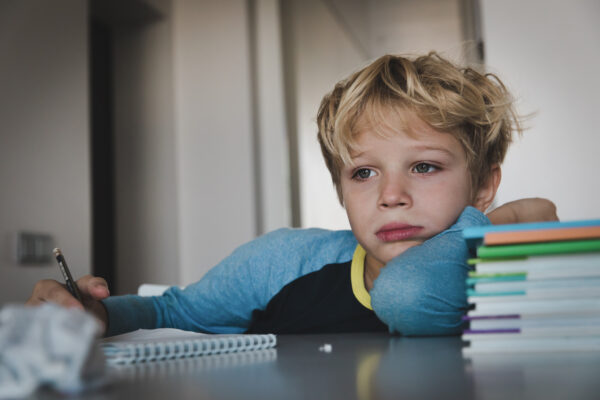
It is normal for children to experience fears and stress. Common triggers include school transitions, social challenges, family changes, or new environments.
Parents can reduce anxiety by:
- Maintaining predictable routines
- Offering reassurance
- Preparing children for upcoming changes
- Encouraging open discussion about worries
When children feel supported during stressful moments, they build resilience rather than avoidance patterns. If anxiety significantly interferes with daily functioning, seeking professional guidance may be beneficial.
Helping Children Adjust to New Care Environments
Transitions into new caregiving or educational environments can significantly impact a child’s emotional well-being. Changes such as daycare enrollment or introduction to new caregivers may trigger separation anxiety or behavioral adjustments. Preparing children gradually and maintaining consistent reassurance helps ease these transitions.
Parents introducing infants to new caregivers can find supportive guidance in our article on introducing your baby to a new caregiver, which focuses on attachment continuity and emotional preparation. For older children adjusting to group care settings, our guide on how to help a child adapt to daycare provides practical steps to build confidence and reduce anxiety during this important developmental milestone.
Encouraging Positive Self-Esteem and Confidence
Self-esteem develops through experiences of competence, encouragement, and acceptance. Children build confidence when they feel capable and valued.
Parents can promote healthy self-esteem by:
- Praising effort rather than perfection
- Encouraging independence
- Allowing age-appropriate decision-making
- Avoiding constant comparison to others
Balanced encouragement helps children develop internal motivation rather than relying solely on external validation.
Promoting Healthy Peer Relationships

Social development plays a major role in emotional well-being. Friendships teach children empathy, cooperation, and conflict resolution.
Parents can support healthy peer relationships by:
- Teaching communication skills
- Encouraging kindness and empathy
- Helping children resolve disagreements calmly
- Monitoring social interactions without over-controlling
Open discussions about friendships help children navigate social challenges constructively.
The Role of Family Communication in Mental Wellness
Open family communication strengthens emotional security. When children feel safe discussing both positive and difficult topics, they develop trust and self-expression skills.
Healthy communication includes:
- Regular family discussions
- Respectful listening
- Non-judgmental responses
- Clear expectations
For teenagers especially, maintaining respectful dialogue is essential. Adolescence introduces identity exploration, emotional complexity, and social pressures. Parents who remain approachable help teens navigate these changes confidently.
Managing Digital Influence on Emotional Health
Modern childhood includes digital exposure that influences emotional development. Social media, online interactions, and screen time can affect self-esteem and mood.
Parents can promote digital wellness by:
- Setting reasonable screen time boundaries
- Discussing online safety
- Encouraging offline activities
- Modeling healthy technology use
Balanced digital habits protect mental health while allowing children to benefit from educational and social opportunities.
Recognizing Signs of Emotional Struggles
Parents should remain attentive to changes in behavior that may signal emotional distress, including:
- Persistent sadness
- Withdrawal from activities
- Irritability
- Changes in sleep or appetite
- Academic decline
Early support improves outcomes. Consulting pediatric or mental health professionals when concerns arise helps ensure children receive appropriate care. Parents concerned about behavioral changes can consult trusted information from HealthyChildren.org.
Encouraging Resilience and Coping Skills
Resilience is the ability to recover from setbacks and adapt to challenges. Children develop resilience when they experience manageable difficulties supported by caring adults.
Parents can nurture resilience by:
- Allowing problem-solving opportunities
- Encouraging perseverance
- Teaching coping strategies
- Modeling optimism
Resilient children learn that challenges are temporary and manageable.
Balancing Protection and Emotional Independence
While protection is essential, overprotection can limit emotional growth. Children need opportunities to experience minor challenges in safe environments.
Gradually increasing responsibilities builds confidence. Encouraging decision-making and accountability supports independence while maintaining parental guidance. Healthy emotional development requires both support and autonomy.
Creating Family Routines That Support Mental Wellness
Daily routines provide stability and reduce stress. Predictable schedules for meals, bedtime, schoolwork, and recreation create structure.
Family rituals, such as shared meals or weekly activities, strengthen bonds and provide emotional grounding. These consistent interactions support children’s sense of belonging.
Parental stress is a significant factor that can influence a child’s emotional environment. When parents feel overwhelmed by responsibilities, financial pressures, work demands, or daily caregiving tasks, it can affect patience, communication, and emotional availability. Children are highly sensitive to the emotional tone of their home, and prolonged stress may unintentionally create tension or inconsistency.
Recognizing stress early and practicing healthy coping strategies is essential for maintaining emotional balance within the family. Parents can explore practical techniques and supportive routines in our guide on ways to reduce parental stress, which offers actionable steps to restore calm and strengthen overall family well-being.
Supporting Parents to Strengthen Emotional Stability
Parent mental wellness directly influences a child’s emotional security. When caregivers are supported, balanced, and emotionally regulated, children benefit from consistent guidance and reassurance. Parenting demands vary widely depending on family circumstances, and some parents may face additional challenges that require specialized coping strategies and community support.
Families navigating unique developmental needs often require tailored guidance. Parents seeking practical tools and encouragement can explore our article on special needs parenting support, which highlights emotional resilience strategies for caregivers managing additional responsibilities. Maintaining personal balance is equally important, and parents can benefit from intentional routines discussed in our work-life balance strategies for parents’ guide to prevent burnout and sustain emotional availability at home.
Encouraging Emotional Expression through Activities
Creative outlets such as drawing, music, journaling, and storytelling allow children to process emotions safely. Physical activities like sports and outdoor play also reduce stress and improve mood. Encouraging healthy outlets teaches children constructive ways to express feelings rather than suppressing them.
The Connection between Emotional Development and Academic Success.
Emotional wellness directly influences a child’s ability to learn and succeed academically. When children feel emotionally secure, they are better able to concentrate, participate in classroom discussions, and manage academic challenges.
Stress, anxiety, or emotional instability can interfere with focus and memory retention. Children who struggle emotionally may appear distracted or unmotivated, when in reality they may be overwhelmed internally. Supporting emotional health at home helps improve school readiness and long-term educational outcomes.
Parents can strengthen the link between emotional and academic development by encouraging problem-solving, praising effort, and helping children manage frustration related to schoolwork. Teaching children that mistakes are part of learning builds both resilience and intellectual confidence.
The Impact of Family Relationships on Mental Wellness
Family dynamics strongly influence emotional development. A supportive home environment built on respect and understanding creates psychological security. Children observe how adults manage disagreements, communicate feelings, and solve problems.
When parents demonstrate healthy conflict resolution and calm communication, children learn constructive relationship skills. On the other hand, frequent unresolved conflict may increase stress and emotional insecurity.
Families can strengthen emotional bonds by scheduling regular connection time. Simple routines such as shared meals, evening conversations, or weekly family activities reinforce belonging. Consistent positive interaction strengthens trust and emotional stability.
However, for families living separately or parents raising kids independently. One can always seeks ways to create positive and healthy relationship with the kids. The separation or single state shouldn’t define the happiness of your family. Always create activities and ways of keeping the family intact, and happy thus reducing conflicts and mental breakdown. Parents raising children independently can find encouragement in our article celebrating the strengths of single parenthood.
Teaching Empathy and Compassion

Empathy is a core component of emotional intelligence. It a strong aspect that allows children to understand and respond to different feelings regarding others. Teaching empathy begins with helping children recognize their own emotions.
Parents can encourage empathy by asking reflective questions:
- “How do you think your friend felt?”
- “What could you do to help?”
- “Have you ever felt that way?”
Reading stories, discussing characters’ emotions, and modeling compassionate behavior all reinforce empathy. When children learn to consider other perspectives, they develop stronger social relationships and reduce conflict.
Empathy also supports emotional maturity and long-term mental health, as children become better equipped to navigate complex social situations.
Supporting Emotional Development during Major Life Changes
Children may experience emotional challenges during significant life transitions such as moving homes, starting a new school, welcoming a sibling, or experiencing family changes.
During transitions, children often need additional reassurance and patience. Parents can support emotional adjustment by maintaining routines, encouraging open discussions, and validating mixed emotions.
Preparing children in advance for upcoming changes reduces uncertainty. Explaining what to expect and answering questions honestly helps children feel more secure. Emotional preparation strengthens adaptability and reduces anxiety during change. Major changes such as divorce can also alter different aspects in a child’s life and need to be addressed well to avoid lifelong effects. Families adjusting after separation can benefit from understanding why co-parenting after divorce matters for a child’s emotional stability.
Encouraging Mindfulness and Calmness Practices
Introducing simple mindfulness practices can significantly improve emotional regulation. Mindfulness helps children become aware of their thoughts and feelings without becoming overwhelmed by them.
Age-appropriate practices may include:
- Deep breathing exercises
- Guided relaxation
- Quiet reflection time
- Gratitude discussions
These activities promote calmness and improve stress management. Teaching children how to pause and breathe during emotional moments strengthens self-control and thoughtful responses. Managing conflict between siblings becomes easier when parents apply strategies discussed in our article on sibling rivalry parenting strategies. Parents who practice mindfulness themselves model emotional balance and reinforce its value within the family.
The Role of Sleep, Nutrition, and Physical Activity in Mental Health
Mental wellness is closely connected to physical health. Adequate sleep supports mood regulation, concentration, and emotional stability. Children who are sleep-deprived may appear irritable or anxious.
Balanced nutrition also contributes to emotional health. Regular meals and proper hydration stabilize energy levels and support brain function.
Physical activity reduces stress and improves mood by releasing natural chemicals that promote feelings of well-being. Encouraging outdoor play and active routines benefits both emotional and physical development. A holistic approach that includes sleep, nutrition, and movement strengthens overall mental wellness.
Helping Children Develop a Growth Mindset
A growth mindset is great pillar that help children to view and regard challenges as learning opportunities rather than failures. This perspective significantly impacts emotional resilience.
Parents can foster a growth mindset by:
- Praising effort instead of outcome
- Encouraging persistence
- Teaching that skills improve with practice
- Modeling positive self-talk
When children believe they can improve through effort, they are less likely to fear failure. This reduces anxiety and strengthens confidence. Over time, a growth mindset supports both emotional stability and academic achievement.
Encouraging Healthy Emotional Expression in Adolescence
Adolescence introduces increased emotional complexity. Hormonal changes, peer influence, and identity exploration can intensify feelings.
Parents should adapt communication strategies during this stage by:
- Listening more than lecturing
- Avoiding immediate judgment
- Respecting privacy while maintaining guidance
- Encouraging open dialogue
Teens benefit from knowing they can discuss sensitive topics safely. Maintaining connection during adolescence strengthens long-term trust and emotional well-being. Families navigating teenage years can explore deeper strategies in our guide to boost adolescent emotional intelligence.
Recognizing When Professional Support May Be Helpful
While emotional ups and downs are normal, persistent or severe changes in behavior may indicate the need for professional guidance.
Parents should consider seeking support if a child experiences:
- Ongoing withdrawal
- Significant mood changes
- Difficulty functioning at school
- Extreme anxiety or sadness
Early intervention supports better outcomes. Mental health professionals can provide strategies tailored to a child’s specific needs while working collaboratively with families. Seeking support is not a sign of failure but a proactive step toward well-being. Parents can explore additional child mental health guidance from the American Academy of Child and Adolescent Psychiatry.
Building a Family Culture of Emotional Openness
Creating a home culture that values emotional openness strengthens mental wellness for all family members. When parents share appropriate feelings and model healthy coping strategies, children learn that emotions are normal and manageable.
Family discussions about daily highs and lows can become simple yet powerful rituals. Encouraging gratitude, reflection, and open sharing builds emotional literacy. Over time, this culture of openness creates a safe emotional foundation where children feel understood, supported, and valued.
Conclusion
Mental wellness and emotional development helps in shaping a child’s well-being. By fostering emotional intelligence, secure attachment, healthy communication, and resilience, parents create supportive environments where children thrive.
Children who feel emotionally secure are better equipped to navigate challenges, build meaningful relationships, and develop strong self-confidence. Supporting mental wellness requires patience, consistency, and compassion — but the long-term benefits extend far beyond childhood.
When families prioritize emotional development alongside physical safety and academic growth, they build foundations for lifelong strength, stability, and happiness. Families can review emotional development milestones provided by the Centers for Disease Control and Prevention.