
Table of Contents
Traumatic and distorted are some statements that explain the shock that comes with a cancer diagnosis. It's more disturbing while you’re pregnant, not expecting any dramatic events during the gestation period. I can’t sit and imagine the emotional roller coaster and confusion that comes with such news. A cancer diagnosis during pregnancy overwhelms the joy of pregnancy and invites worry and confusion.
The mind games are activated with every moment becoming precious. In a realistic moment, one would think, Will I live through the pregnancy? Is my baby okay? What next? It’s a trail of endless questions without answers.
However, with every challenge comes a solution. With the right actions, a solution will come up. Early diagnosis is a plus for both mother and baby. It gives a leeway for medical attention and baby observation.
What to understand about cancer diagnosis during pregnancy
Cancer diagnosis during pregnancy is not a common case, but it can’t be ruled out. It’s a scenario that can happen to anyone, not just particular women. Specialist “Joshua Cohen, MD, FACOG, FACS” who is a “gynecologic oncologist and a Medical Director of Gynecologic Cancer Program, Lennar Foundation Cancer Center of City of Hope, Orange County.” Emphasizes that women should always check for different abnormal signs and symptoms on their bodies, especially during pregnancy.
For breast cancer, one can check out the following:
- Lumps on the breast or the underarm area.
- Any change in the breast size or shape.
- Dimples on your breast.
- Swollen parts or sores on the skin of your breast
- Inverted nipple ( if it has been okay but appears inverted)
- Weird discharge
The above signs are particularly on breast cancer. However, one might get a diagnosis of any other type of cancer while pregnant. Some cancers don’t show any signs until late stages. However, it’s advisable to always listen to or understand your body.
Some symptoms show constant fatigue, headaches, skin tone, eyes, etc. Always check for different signs that are not pregnancy-related and need attention. Whether pregnant or not, it’s wise for everyone to have cancer screening sessions once a year.
How to cope with a cancer diagnosis during pregnancy
Being in the diagnosis position is quite challenging than anyone giving advice on how to cope; one can’t really understand the situation, but we can feel it and can work to ensure you and the baby come out strong.
With multiple assumptions running around the internet. It’s believed that age is a factor in cancer development. Like having children at an older age. However, the illness can happen to anyone regardless of age.
Once diagnosed, you can cope through simple practices such as:
- Accepting and learning to remain calm about the situation.
- Seeking proper medical help and starting medication.
- Eating healthy for you and the baby.
- Following your baby clinics.
- Enough rest
- Avoiding triggers that bring panic.
Risks associated with cancer and pregnancy
Cancer symptoms can be challenging to detect as they as quite similar to pregnancy signs. The fatigue, nausea, sore breast, etc. However, they maybe more amplified than normal, calling for an intense checkup. Truth is, cancer and pregnancy are complicated. It’s a journey that needs strength and endurance as they will be difficult days.
Based on the type and speed at which the cancer is growing or spreading. The health practitioners will decide on what is best for each case. A fast spreading cancer requires instant treatment, while a slow-growing cancer may wait to give the baby a chance to develop and maybe be born.
The gestation age also determines whether treatment will commence or not. Some medications are too strong for the fetus and might cause miscarriage. The treatment will highly affect the mother’s health, it will take huge energy and even cause more fatigue and maybe lack of eating. The journey is tough, yes, but one will survive. It’s a matter of believing and starting medication with the right mindset.
Surprisingly, most cancer treatments are pregnancy-safe. Only a few therapies are not especially for the first trimester. Taking chemotherapy it’s not safe for the first 12 weeks of gestation. However, it’s okay to have it in the second and third trimesters.
Radiations are a high risk for pregnancy, but also okay when done on areas that are not around the pelvis. If surgery comes into the picture, your doctor will best advise how and when it’s safe. All this is to protect the fetus and to have a smooth pregnancy.
Is cancer during pregnancy safe for the baby?
With multiple studies and research, one rare cases, does cancer spread to the baby? That is quite rare, only in cases of metastatic melanoma, but not common. Most cancer treatments are safe and can be conducted when the fetus is past 12 weeks. Radiation therapy is safe only after 12 weeks since it has radioactive iodine. But in most cases, the baby will be fine with proper care and monitoring.
Key considerations during cancer treatment
In most cancer cases, the medical team would advise terminating the pregnancy to make way for treatment. It is okay if the situation calls for that, but most on the time the baby can go to a safe gestation stage or full term. During the treatment, there are some simple considerations to check, such as:
- Treatment timing
Suppose the cancer is not fatal; the treatment can be pushed or timed to reduce the risk for the baby’s growth.
- Support
Family and friends should give full support during this phase. No negativity should be tolerated, as it will demoralize the mother.
How to treat cancer during pregnancy
Cancer treatment is quite harsh, and the thought of chemotherapy brings about multiple negative ideas. However, with the right team of specialist treatment can be easy and swift. It’s advisable to understand that the treatment is no different from a non-pregnant woman, but it requires more attention due to the unborn baby.
First, a team of specialists (a multidisciplinary team or MDT) will have to sit and analyze the whole situation. All possibilities will be discussed to ensure the mother and baby are okay. Once a decision is made, the team will involve you and your family in further discussion on the type of treatment and pregnancy safety.
Your views and preferences will be regarded and incorporated in the treatment discussions. Again, the whole process is timed based on the type of cancer, stage, and gestation period. The doctors may delay the treatment or wait until the baby is born.
Factors to consider:
- Pregnancy stage
- Cancer stage and type
- How fast or slow is the cancer spreading?
- The aim of treating the cancer (cure or control).
The doctors or MDT team will help you pick the best option. You will learn about the risks and benefits of each option. With the overwhelming details, a chance to speak to your family or to self-analyze is provided.
Note: pregnant women don’t have to terminate their pregnancy unless necessary. The treatment can be conducted while pregnant. However, a couple can opt to end it based on their personal reasons.
Treatment options for cancer diagnosis during pregnancy
Here are various pregnancy and cancer treatment guidance suitable for different patients.
- Monitor
Slow-growing cancers can be monitored or timed to allow the fetus to grow and reach birthdate. Some cancers may not change as much and may require mild treatment. For example, a slow or low-growing lymphoma of Hodgkin lymphoma, cervical cancer stage one, or even chronic leukemia.
- Chemotherapy
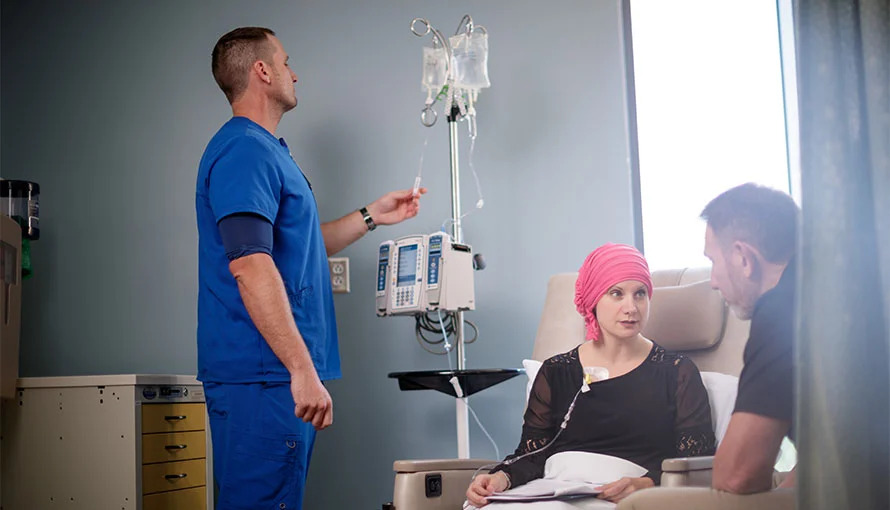
Chemotherapy is possible after 12-14 weeks of pregnancy. The treatment is safe and can be used for different cancers. Mothers with leukemia, breast cancer, cervical cancer, and lymphoma.
- Surgery
It sounds risky, but very possible. Your doctor and the obstetrician will guide you on why and the best time to conduct the surgery. This is can be done when the pregnancy is 14 weeks long. However, more advice will be granted to ensure nothing goes wrong.
- Radiotherapy
Radiotherapy is harsh as radioactivity is strong, thus destroying the cancer cells. Radiotherapy is harmful and cannot be conducted during pregnancy. However, if urgent, the therapy will be done only on areas that aren’t close to the womb.
- Hormonal therapy
Hormonal therapy is designed for breast cancer treatment. The therapy is strong and can cause different birth defects. Patients expected to undergo the treatment must wait until the baby is born.
- Targeted and immunotherapy
The targeted and immunotherapy medications are harmful to the baby. They are believed to cause side effects for both mother and baby. Though new in the medical world, not much information is available on how safe or how harmful the drugs can be.
Side effects of cancer treatment during pregnancy

Just like other women experiencing cancer, pregnant women get similar side effects from the treatments. Here are some symptoms of cancer treatment and how to deal with them.
- Feeling sickly
A feeling of sickness is the common side effect, especially with chemotherapy and radiotherapy sessions. The feeling can be treated with anti-sickness drugs, which sometimes are not okay during pregnancy.
- Infections
Suppose the medication brings about infections, your doctor will help with antibiotics. Most antibiotics are safe for the baby. Chemotherapy patients need to check out for infections as they are not very nice.
- Anemia
Cancer chemotherapy and surgery procedures can lead to loss of blood. This can significantly reduce red blood cells, thus causing anemia, fatigue, and short breath. If any of the following happens, consult with your doctor for more solutions.
- General pain
It’s normal to have pain after the treatments. Your nurse or doctor will administer the right painkillers safe for your unborn child.
- Fatigue
Fatigue will be a common factor during treatment. It will worsen in your last treatment sessions and extend to a few more weeks. Get enough rest and take short walks to balance your body and energy.
Conclusion
With cancer appearing as an impossible opponent, it's possible to cope and bring a healthy baby to life. Besides treating cancer during pregnancy, one can also learn about breastfeeding safety during cancer treatment. This will help you understand all possibilities once the baby comes and how well you can feed regardless of the treatment. It’s all about accepting the situation and collaborating with the medical team. It’s okay to be afraid and even cry, but you need to know you are a strong mum. A cancer diagnosis during pregnancy doesn't define who you are but makes you stronger than before.